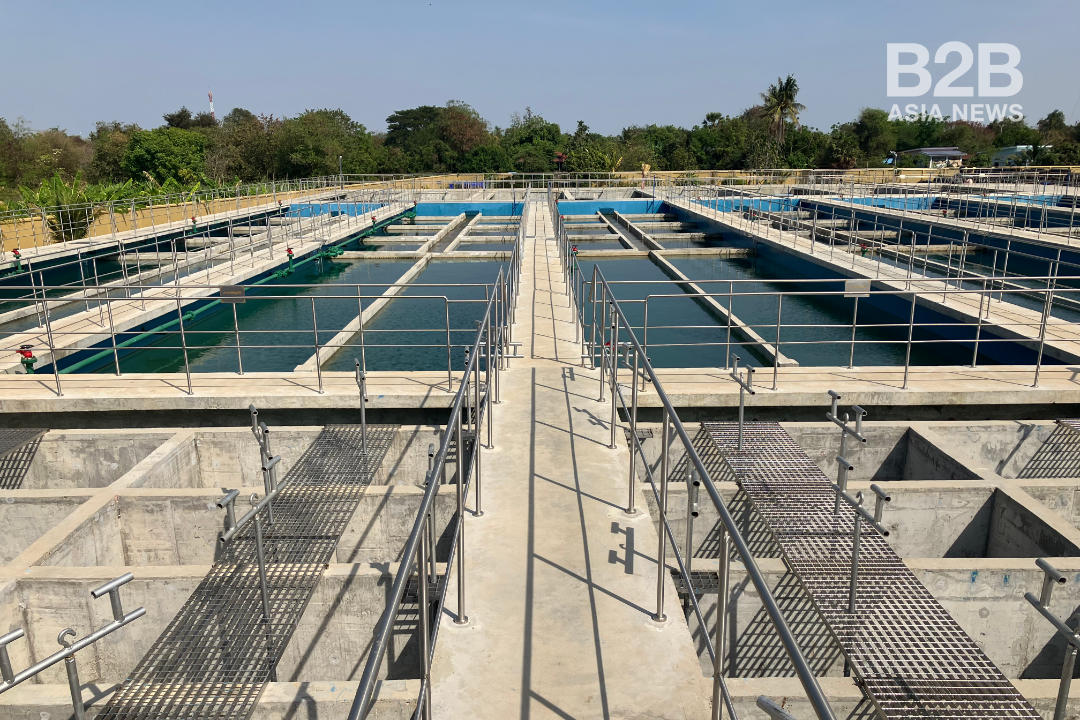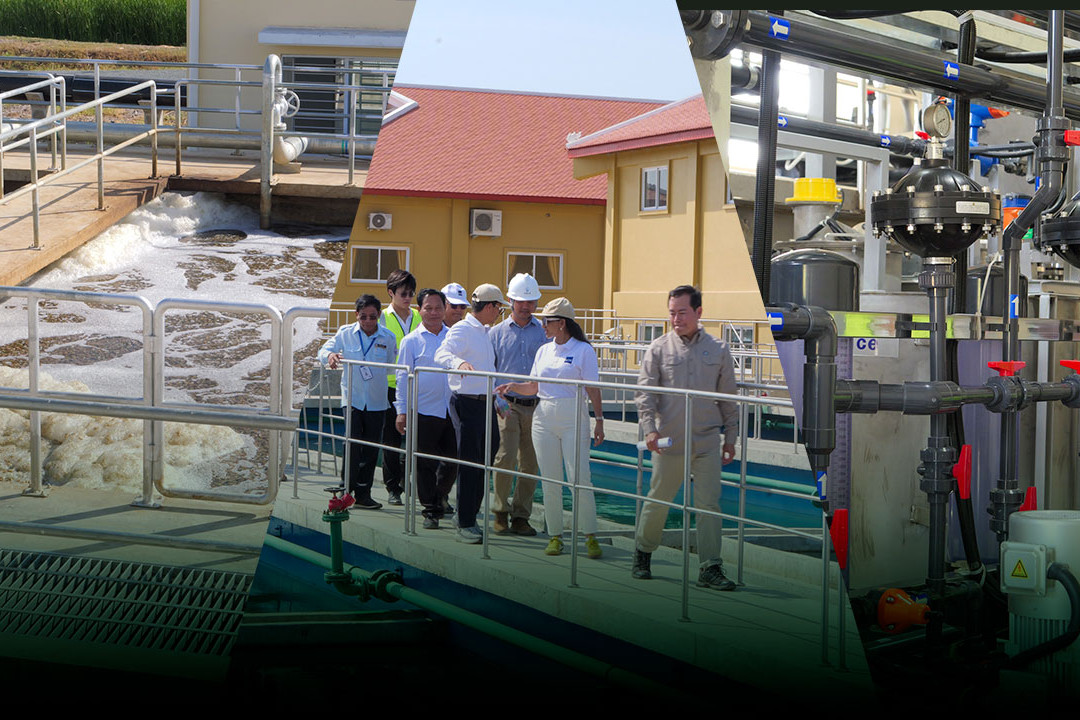
As Cambodia continues its trajectory of population growth and economic development, provincial towns across the Kingdom are facing rapidly rising urban demand for essential services, particularly within critical sectors like clean water supply and wastewater management. Compounding these developmental challenges are escalating climate-related risks, which increasingly manifest as extreme weather events such as intense rainfall, severe flooding, and prolonged droughts.
In an exclusive press tour conducted in February 2026, the Asian Development Bank (ADB) Cambodia Resident Mission showcased two projects focused on transformative water and sanitation initiatives located in Kampong Chhnang and Battambang provinces.
Enhancing Sanitation in the Tonle Sap Basin
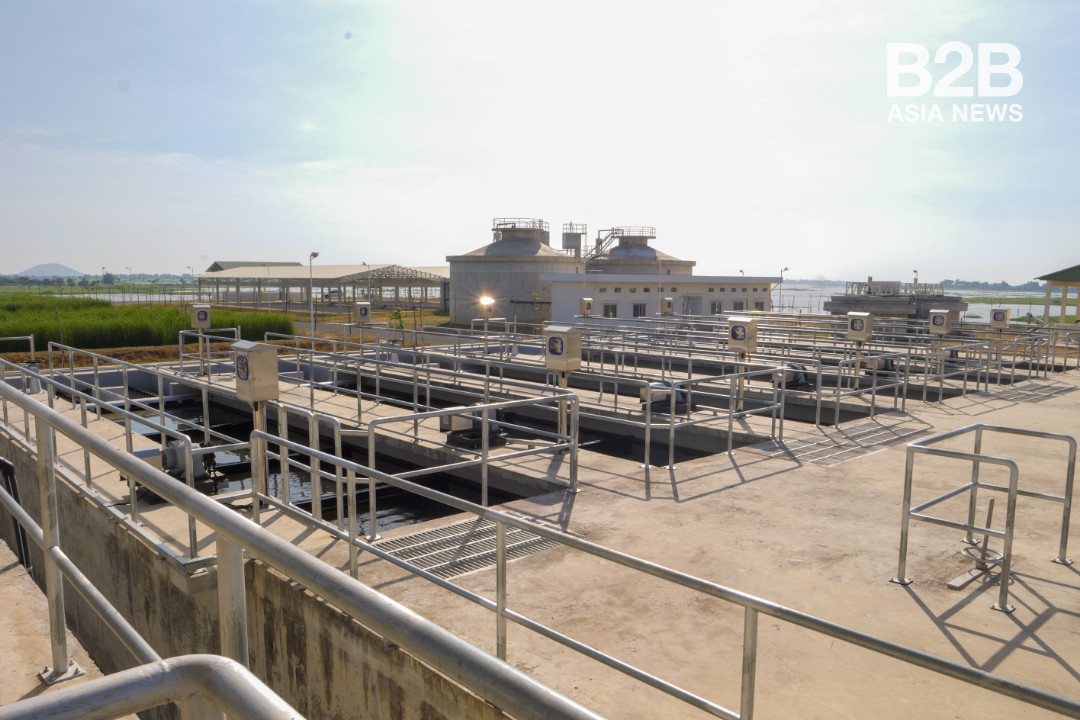
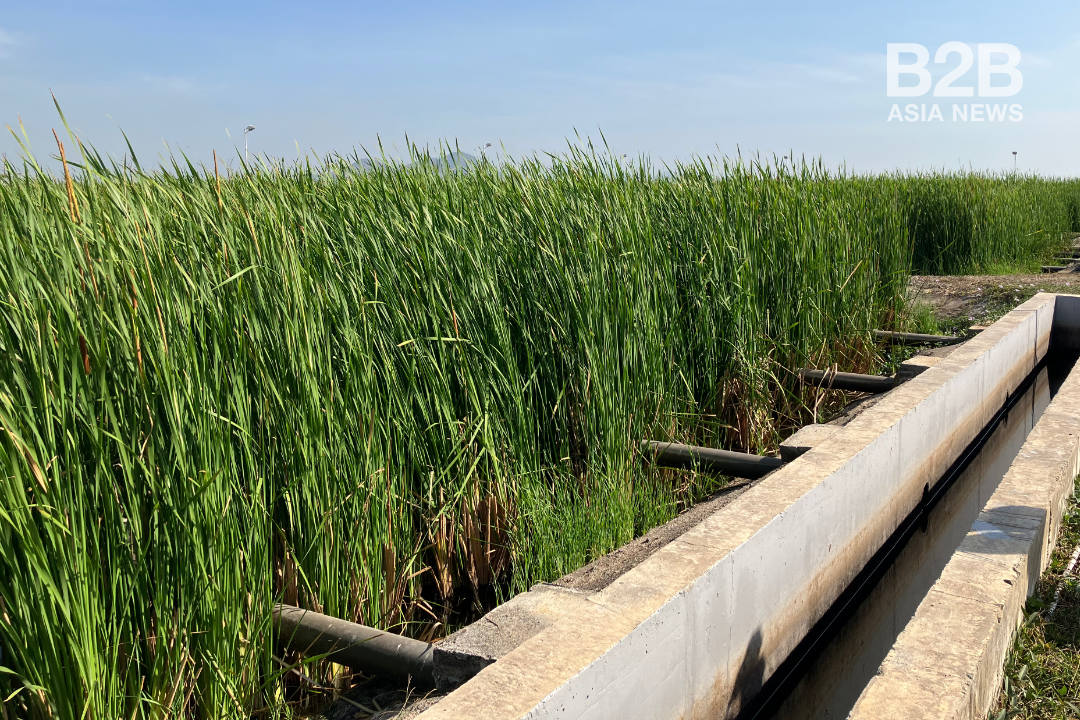
The Model Wastewater Treatment Plant in Kampong Chhnang province is a core investment under the Integrated Urban Environmental Management in the Tonle Sap Basin Project. Implemented in partnership with the Ministry of Public Works and Transport (MPWT), the USD 19 million facility possesses a daily treatment capacity of 5,400 cubic metres. Beyond the central facility, the investment encompasses extensive sewerage systems, sewage collector lines, and drainage improvements designed to enhance the urban environment and improve public health for thousands of residents.
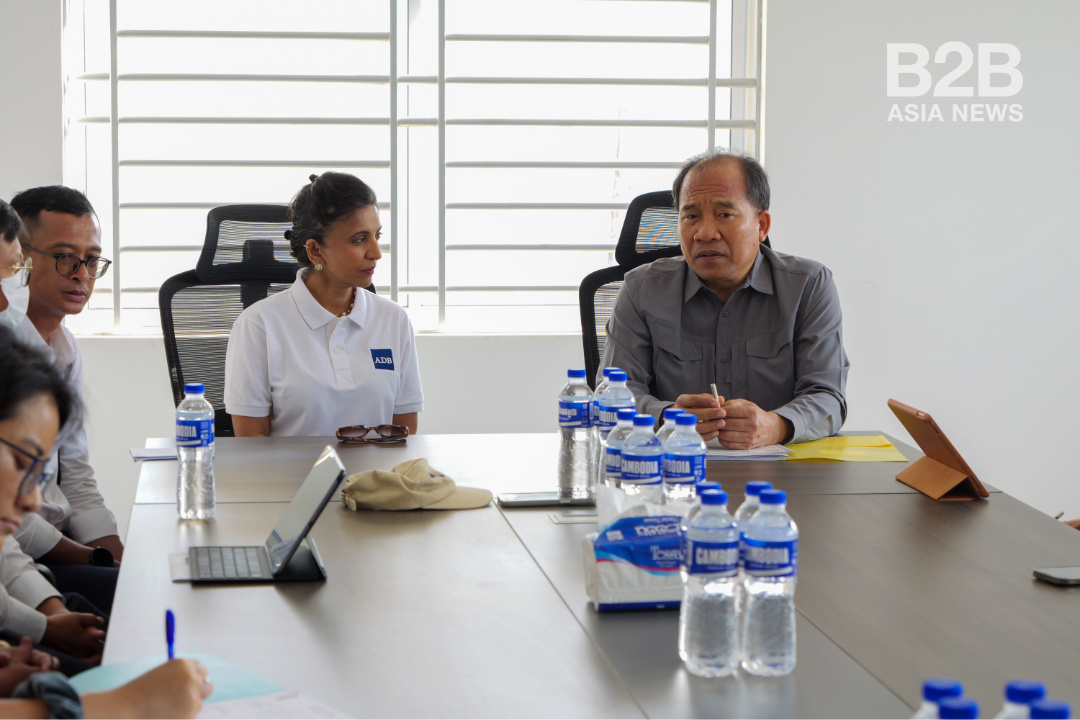
“This plant, for me, is one of the most exciting pieces of work supported by ADB in in partnership with the Government of Cambodia,” Yasmin Siddiqi, ADB Country Director for Cambodia, told B2B Asia News. “What makes this plant unique is poorer households have two options. One option is to be connected to the main sewerage system, actually having pipes coming out of their homes and connecting into the main sewer line that brings wastewater into this plant for treatment. The other option, which we often see among lower income households, is that they may only have a septic tank, so this plant is quite progressive in that it also has the capacity to treat sludge that comes out of septic tanks.”
A key priority for this sanitation project is social inclusivity and environmental resilience. To ensure that the poorest communities are not left behind, the project funded the construction of 1,447 household latrines for IDPoor 1 and 2 families, formally connecting them to improved systems.
Resilience and Sustainability
To combat the increasing frequency of extreme weather, the wastewater treatment plant was constructed on a platform raised above all recorded and anticipated flood levels of the Tonle Sap. Operationally, the ADB has facilitated the establishment of a semi-autonomous Urban Service Unit (USU) to manage the assets. Long-term financial viability is expected through a government-approved joint billing mechanism and the installation of solar power to reduce electricity costs.
“The Integrated Urban Environmental Management Project that surrounds the Tonle Sap lake covers two provinces: Kampong Chhnang and Pursat,” said H.E. Vong Pisith, Under Secretary of State at the MPWT.
The reason we started this project in Kampong Chhnang is, first, because the province is closer to Phnom Penh and gets faster development… and second, because Kampong Chhnang is located at the start of the Tonle Sap lake, and during the rainy season, the water rises, flows into the city, then resides again during the dry season, which brings dirty water and trash into the lake. This is an important reason why we need to take action to make the environment cleaner and get rid of solid and liquid waste.
Securing Water Sovereignty in Battambang
In Battambang province, the press tour visited the newly constructed water treatment plant under the Provincial Water Supply and Sanitation Project. This massive undertaking, implemented with the Ministry of Industry, Science, Technology and Innovation (MISTI), involved a total investment of USD 104.08 million. The funding was secured through a USD 50 million ADB loan, USD 43.54 million in co-financing from Agence Française de Développement (AFD), and a USD 10.54 million contribution from the Cambodian government.
The project marks a significant scale-up in provincial utility capacity, with the plant providing a stable, high-quality water supply of 55,000 cubic metres per day through a new 94 km distribution network.
“The purpose of this plant is really to upgrade on two fronts: one, to increase the number of connected households, so 7,000 more households will receive quality drinking water, and two, to improve the supply into the existing distribution system,” said Siddiqi.
She added:
Fundamentally, this is about getting water into everybody's tap. A lot of effort was put into the design process to ensure close consultation with the local communities. Firstly, to really understand how far we need to go with the distribution side. And second, to understand the needs of the customer… as they are going to be paying a fee for this service, in order to understand what their challenges are.
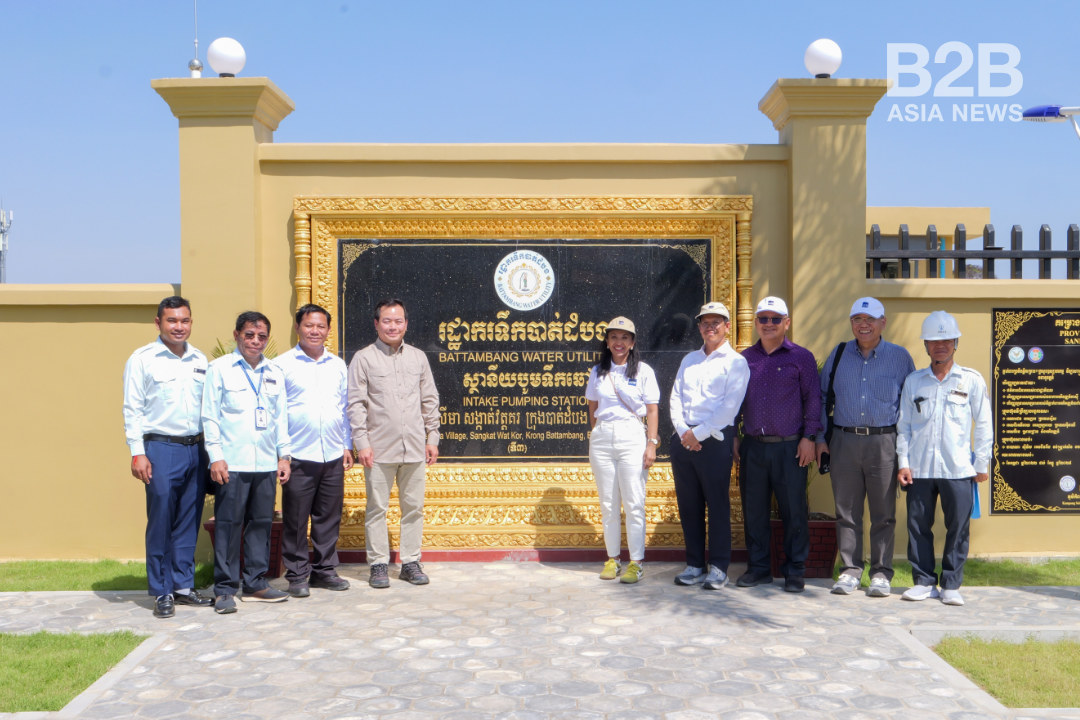
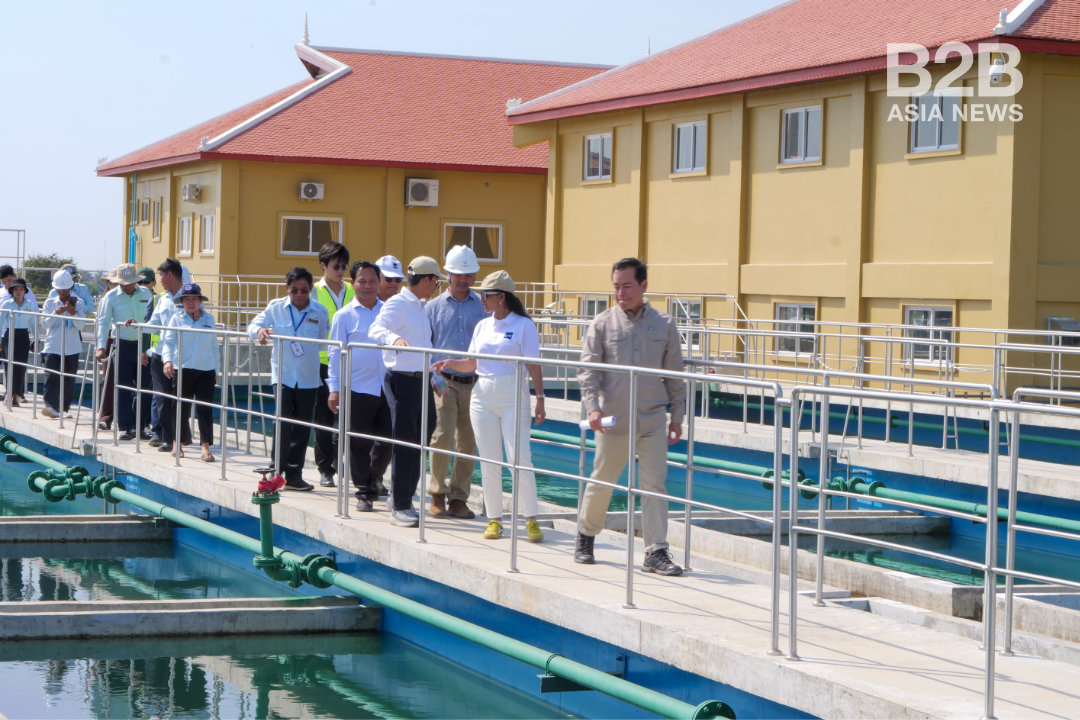
The Battambang facility is designed to serve as an economic engine while maintaining climate adaptability. By providing reliable water to SMEs and agro-processing industries, the plant helps reduce operational disruptions and boosts productivity. In terms of resilience, the intake infrastructure was specifically designed with low-level culverts to extract water even during the lowest levels of the Sangke River.
This infrastructure is aligned with ADB’s Planning Directions for 2026, which prioritise safeguarding communities and unlocking economic potential through climate-resilient design. The Battambang project also ensures equitable access through a subsidised connection policy for low-income households, allowing for payment in instalments as the city continues to modernise.
“This project has really given a lot of benefit to the people under the water distribution network in Battambang,” said H.E. Houl Bonnarith, Under Secretary of State at MISTI. “Once this project is fully complete, this plant will provide more water to people in Battambang, who currently have access to water, but with low pressure. Furthermore, by improving access to clean water, we want to further support the development of agriculture, which has big potential in Battambang."
These projects represent multi-million-dollar commitments to addressing the escalating challenges of urbanisation and environmental sustainability, while also serving as scalable models for other provincial towns in Cambodia.
Overall, these comprehensive infrastructure investments further unlock the country's economic potential, safeguard public health, and ensure the sustainable management of Cambodia's natural resources.