Cambodia is transitioning from labour-intensive manufacturing to a high-tech, knowledge-based economy in order to successfully reach its goal of becoming a high-income nation by 2050. There is a growing demand for high-quality human resources and improved STEM capacity within the national workforce. In response to this demand, the Asian Development Bank (ADB), in partnership with the Cambodian government, launched the Science and Technology Project in Upper Secondary Education (STEP UP).
“This is the first step towards modernising schools and giving those schools that other schools can look to as an example of what they can achieve as well, and I would see this as a long-term plan that we have with the government to really roll out the future modern schools,” said Yasmin Siddiqi, ADB Country Director for Cambodia.
The project aims to address capacity limitations that prevent early implementation of STEM education, by upgrading classrooms in 122 schools across the country. Among those schools, 50 have also been chosen to act as Secondary Resource Schools (SRS) intended to help broaden rural students’ access to resources typically concentrated in cities.
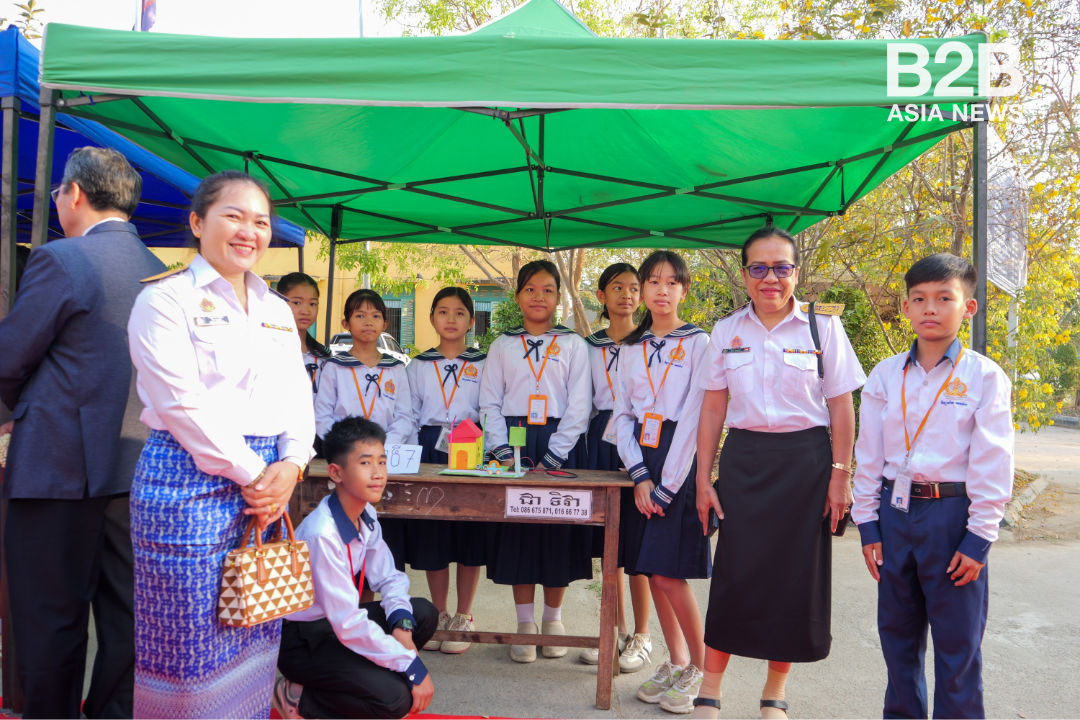
Net Yang High School in Battambang province is one such example, where local students have benefited from new science labs, ICT facilities, and teacher training in science and technology that also promotes digital learning and advances gender equality and inclusion.
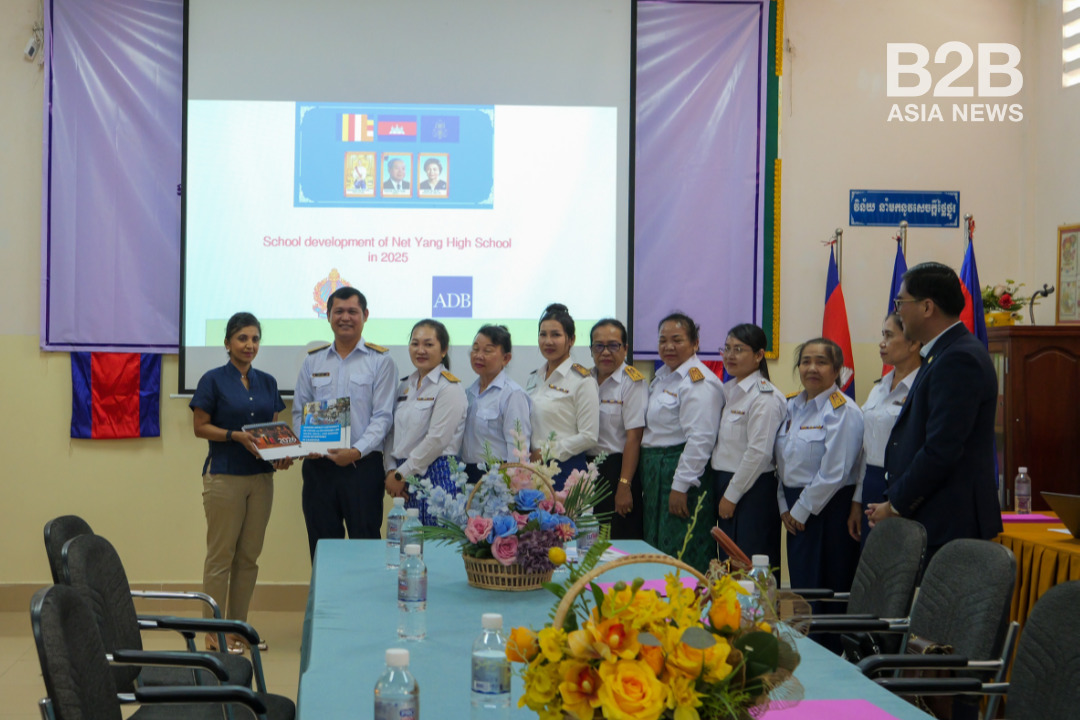
“To improve the science stream, there are multiple factors, and ADB financing has been instrumental to improving the science stream, not just at Net Yang High School, but across all secondary schools in the country,” said H.E. Dy Khamboly, Deputy Director General of the Directorate General of Policy and Planning at the Ministry of Education Youth and Sport (MoEYS), and Deputy Director of STEP-UP project.
He further noted:
To improve the science stream, multi-purpose classrooms, science labs, computer labs and other sites, as well as extracurricular activities are needed, so this financing project from ADB helps address all these challenges. We have seen improvement in terms of the interest from students to take the science stream at Net Yang and other schools. The enhancement of the science stream, improving the design of curricula, has been an important indicator for the education sector.
“What we see here is the culmination of the work we're doing together with the ministry, not just in upgrading schools, the environment, the equipment… the facilities that allow them to study better, but also the teacher training and the leadership skills that are being instilled in the school together with curriculum improvement,” added Siddiqi.
Notably, Net Yang High School reports a female enrolment rate of 50.3 per cent, reflecting a successful drive for gender equity in technical fields.
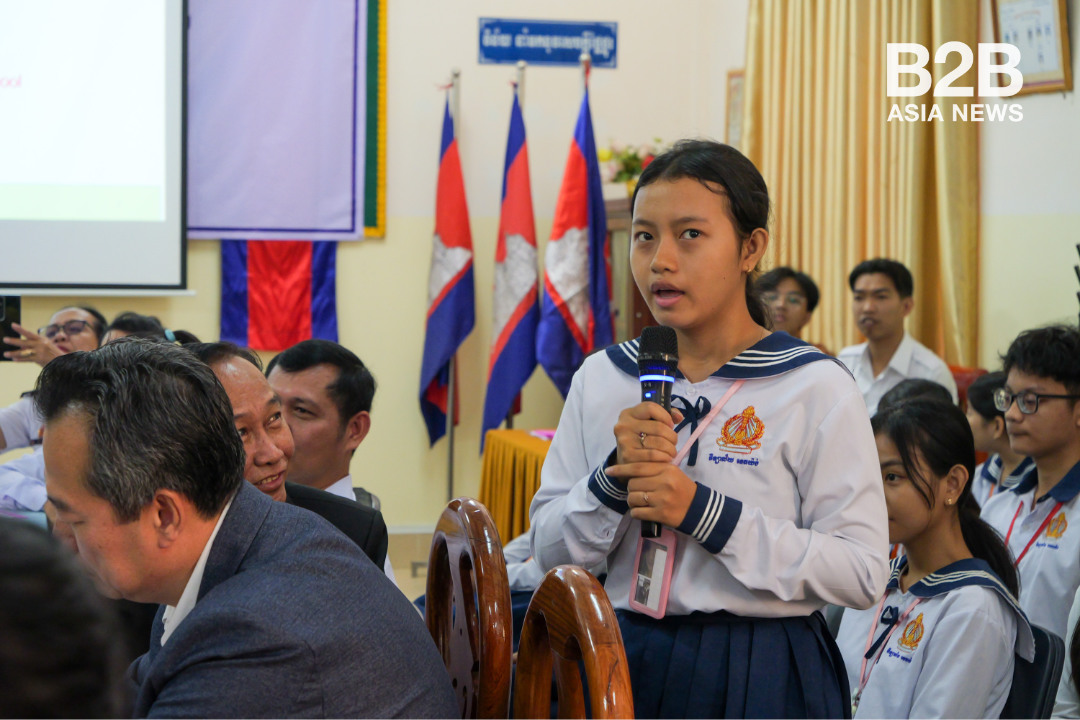
“I really like STEM, science, they really inspire me to build creative plans for my bright future, and I believe we can see our world differently with this knowledge," said Ny Mariyana, Grade 11A student at Net Yang High School.
“I think it's inspiring for students to gain a grasp of what STEM is meant for, and to use it to help create a cohesive environment that we can be in together,” added Grade 12E student, Rith Raksmey. “We can learn many new skills and complex aspects related to these subjects.”
By positioning Secondary Resource Schools like Net Yang High School as centres of excellence, this initiative aims to improve access to high-quality STEM education and enhance learning outcomes nationwide, expanding employment opportunities, strengthening innovation, and enhancing national economic competitiveness.