Transformative Development Projects Set to Redefine Cambodia’s Economic and Social Landscape – ADB Press Tour 2026
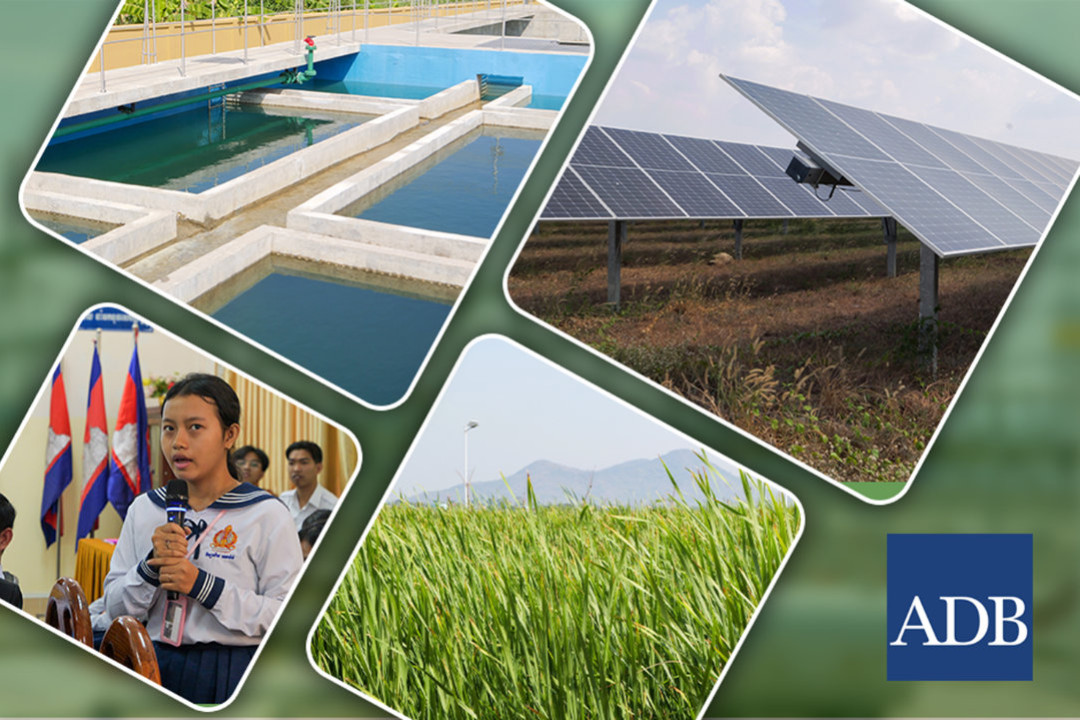
The Asian Development Bank (ADB) Cambodia Resident Mission (CARM) hosted an exclusive press tour across Kampong Speu, Kampong Chhnang, and Battambang provinces from February 18-20, 2026, providing a delegation of media representatives a unique, firsthand opportunity to visit the project sites of a number of transformative development projects receiving funding and support from the ADB.
The comprehensive three-day tour covered high-impact sites across diverse sectors, including tourism, renewable energy, water supply, sanitation, education, and agriculture. Throughout the tour, ADB Country Director for Cambodia, Yasmin Siddiqi, provided strategic perspectives on the Bank’s role in facilitating private sector growth, climate-resilient infrastructure, and human capital development.
Agribusiness Resilience: ADB and De Heus Bolster Local Supply Chains in Kampong Speu
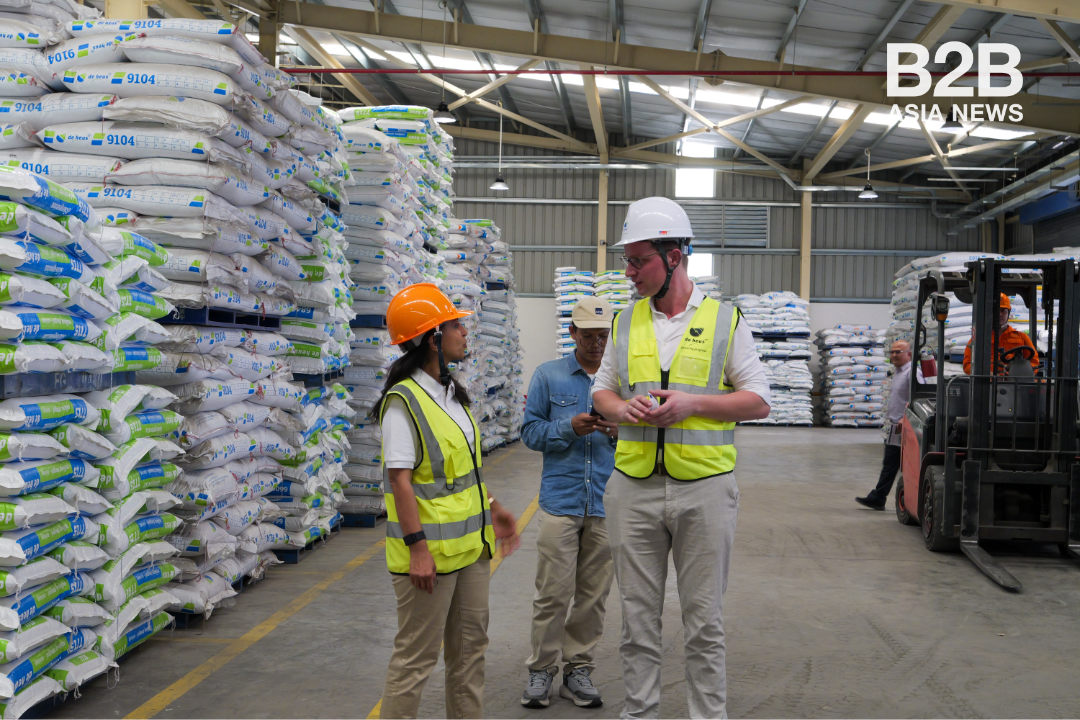
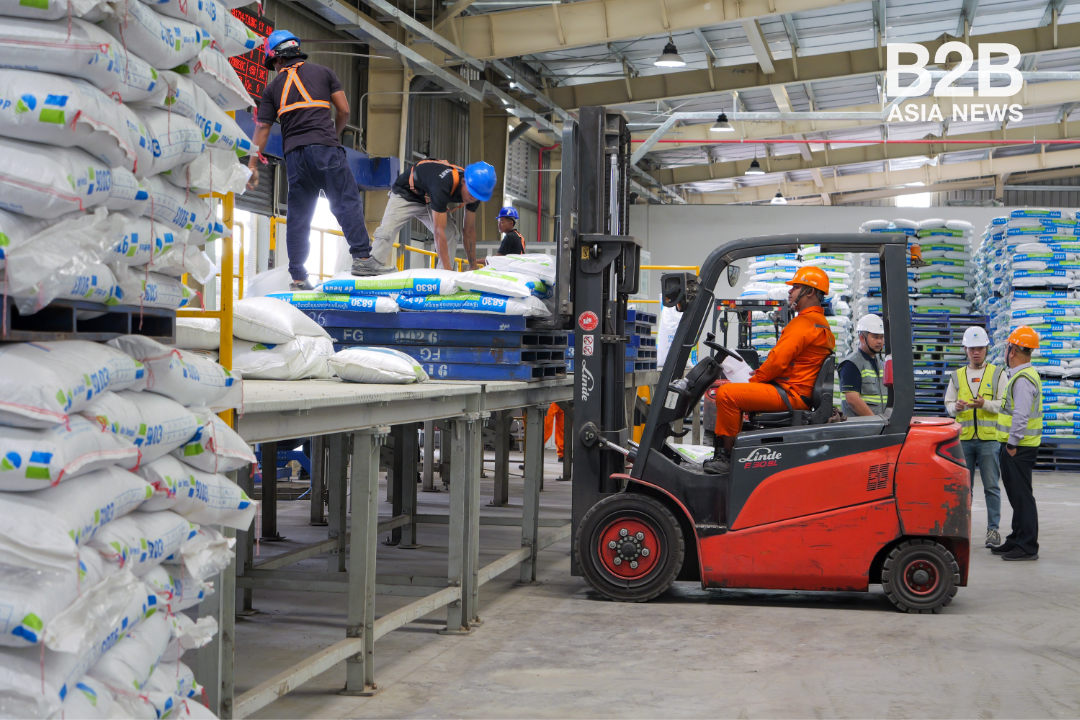
The first site visit of the tour focused on the ADB–De Heus partnership in Kampong Speu province, where a USD 15 million loan is helping to strengthen the national agricultural value chain. This investment has enabled De Heus TMH Co., Ltd. to expand its storage and domestic processing capacity for animal feed, contributing to a reduction in the sector's vulnerability to climate-induced supply shocks.
The initiative also marks a strategic pivot towards domestic sourcing of raw materials, such as maize, rice, and cassava, thereby reducing reliance on imported inputs. All feed produced at the facility (covering poultry, pigs, ruminants, and fish) is sold within Cambodia, further supporting national food security.
WATCH: ADB and De Heus Strengthen Cambodia's Agriculture Sector
Yasmin Siddiqi, ADB Country Director
“Prior to De Heus-TMH entering the Cambodian market and ADB’s investment, a significant portion of feed sold to Cambodia was imported, and nearly all of this would have been produced from raw materials procured from outside Cambodia,” explained Siddiqi. “De Heus has a model, globally, to increase the procurement of raw materials domestically where possible, intending to create a significant positive impact on local value chains. This is a somewhat unique model within the animal feed business.”
“The cooperation with ADB has really strengthened our growth and development, enabling us to also get access to financing through local banks,” shared Harry Schimmel, General Director of De Heus TMH Co., Ltd. “It has allowed us to increase our focus on the environment, on the safety of operations, and also on the community we serve. [Through this partnership] we have learned a lot about local value chains, especially upstream towards corn suppliers.”
Beyond infrastructure, a technical assistance programme is currently training 4,000 farmers (2,000 maize farmers, and 2,000 poultry farmers) in climate-resilient practices and financial literacy. According to the ADB, some backyard poultry farmers involved in the scheme have seen their incomes double, with the project’s final impact assessment forthcoming.
WATCH: Can Animal Feed Producers in Cambodia Rely on Domestic Supply?
Harry Schimmel, General Director of De Heus TMH Co., Ltd.
Energy Diversification: National Solar Park Sets Regional Benchmarks for Connectivity and Cost
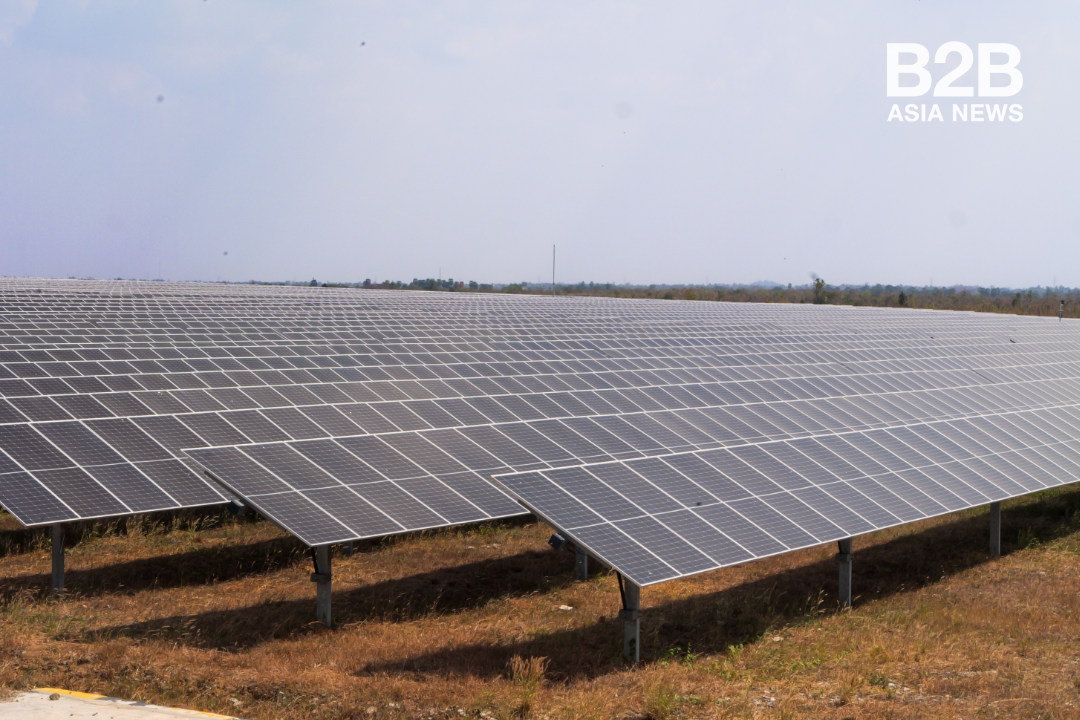
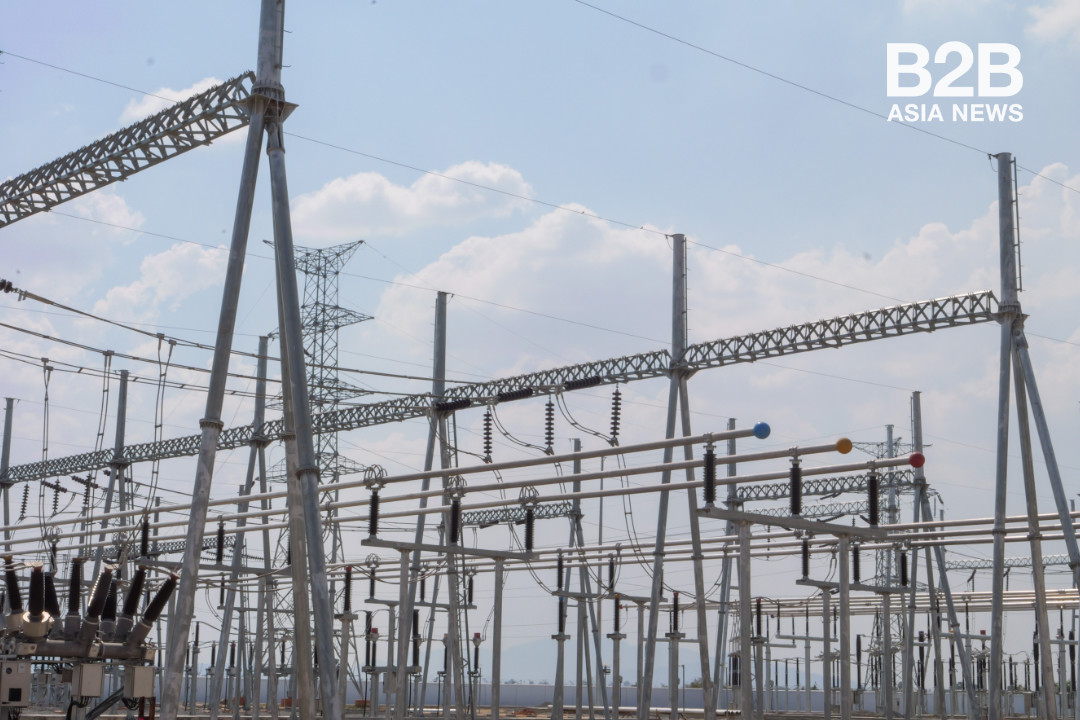
In Kampong Chhnang, the delegation reviewed the progress of the National Solar Park, a landmark public-private partnership helping to redefine Cambodia’s energy landscape. The project involved a USD 26.71 million sovereign (public) investment in essential infrastructure – including a pooling substation, and a 40-kilometre transmission line – alongside USD 41.2 million in private sector investment for Phase 1 (60MW) of the solar power plant, mobilised through a competitive tender, and co-financed by the ADB.
The competitive bidding process facilitated by the ADB resulted in a tariff of 3.87 cents per kilowatt-hour, the lowest recorded for grid-connected solar photovoltaic energy in the ASEAN region at the time of signing. This has contributed to a reduction in the overall systems costs – a combination of the purchase of power costs from other sources of generation – most of which are more expensive than solar.
According to the ADB, in 2019, electricity cost averaged USD 0.185/kWh for households and USD 0.147/kWh for industrial/agricultural users. At the end of the project in 2024, costs fell to USD 0.172/kWh and USD 0.137/kWh respectively, reflecting real savings for consumers.
WATCH: ADB's Continued Partnership With EDC Powering Cambodia
H.E. Dr. Praing Chulasa, Managing Director of Electricite du Cambodge (EDC)
“The National Solar Park adds 100 MW of clean, domestic generation capacity, directly displacing power imports and fossil fuel based generation,” shared Siddiqi. “Solar photovoltaic helps diversify Cambodia’s energy mix away from coal and hydropower, both vulnerable to price volatility, seasonality and climate driven impacts.”
The facility contributes to the reduction of approximately 148,650 tonnes of carbon dioxide emissions annually. The park also serves as a technical hub for the region, having trained over 500 participants in the integration of intermittent renewable energy into the national grid, ensuring the long-term stability of the country's power supply.
WATCH: Should Cambodia Aim for Full Energy Independence?
Joao Aleluia, Energy Specialist at the ADB
Urban Infrastructure: Modernising Sanitation and Climate Resilience in Kampong Chhnang
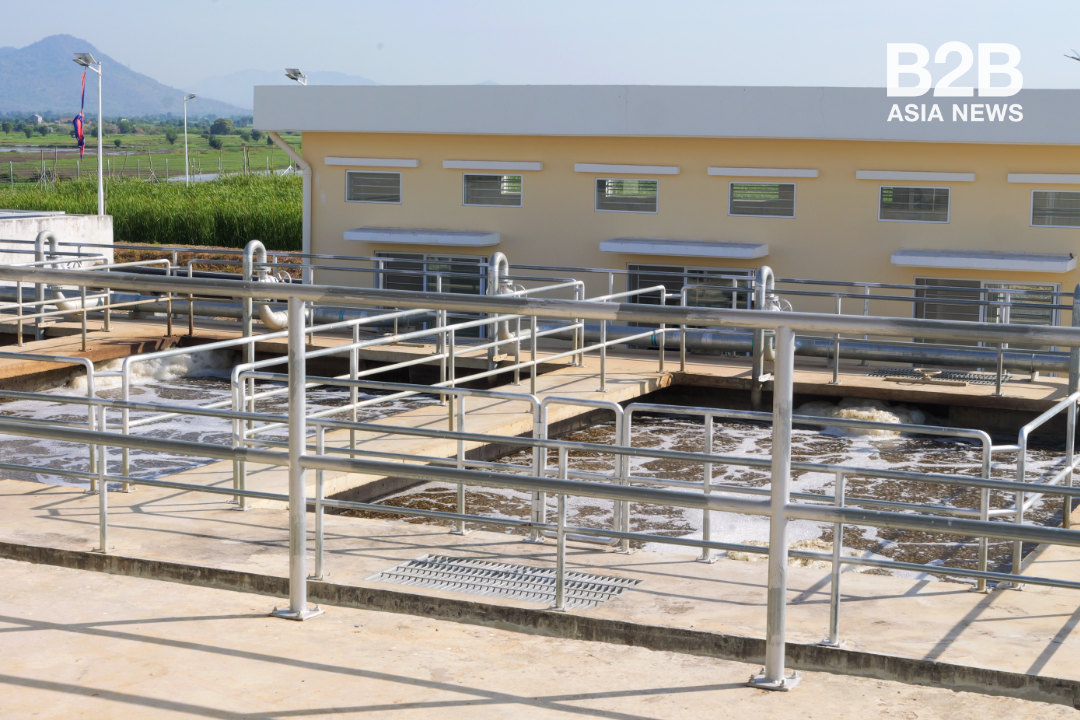
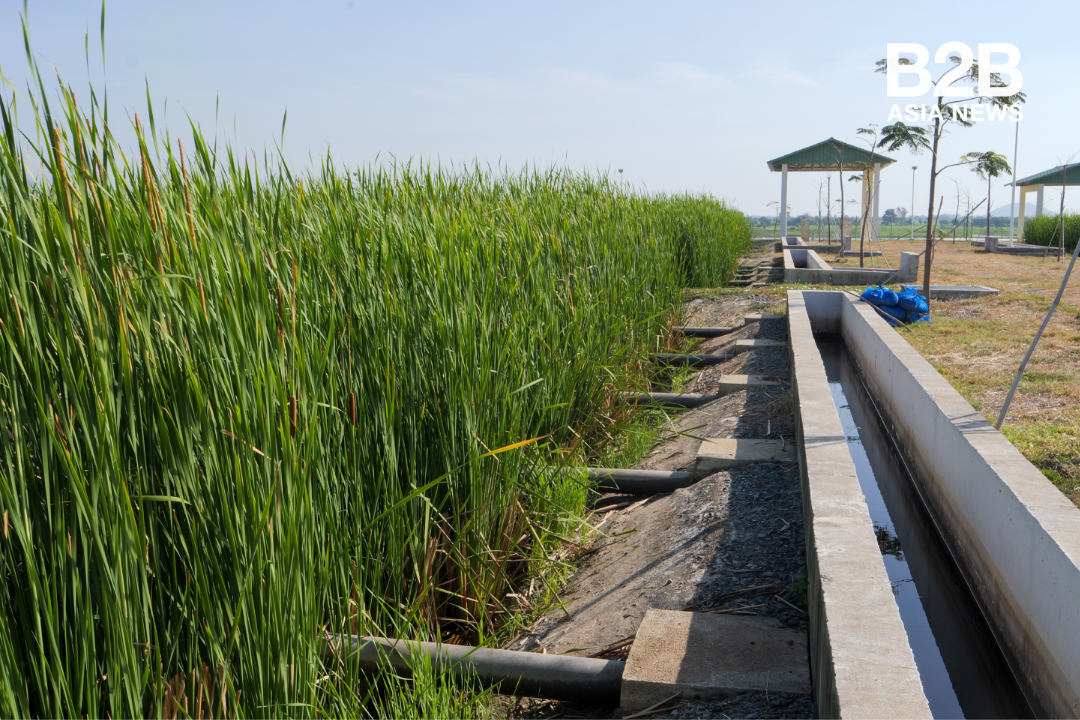
The tour proceeded to examine the Integrated Urban Environmental Management project in Kampong Chhnang, where a USD 19 million wastewater treatment plant has been established with a daily capacity of 5,400 cubic metres.
Managed in conjunction with the Ministry of Public Works and Transport (MPWT), the facility is engineered to withstand extreme weather events, with the primary infrastructure situated on a platform raised above all historical flood levels in the Tonle Sap basin. The project encompasses a comprehensive sewerage and drainage network, including the construction of 1,447 latrines for poor and vulnerable households, to ensure inclusive access to sanitation.
“Thousands of residents now consistently access safe sanitation services, improving hygiene and reducing exposure to wastewater,” stressed Siddiqi. “Stormwater drains systems are operational, meaning reduced flooding incidence in affected neighborhoods. Safer wastewater handling lowers contamination risks for surface water and public spaces.”
H.E. Vong Pisith, Under Secretary of State at the MPWT, also told B2B Asia News:
Cambodia aims to become an upper middle-income country by 2030, and the [wastewater management] sector has been short of budget to meet its expected targets by 2030, with total needed investment estimated around USD 6 billion. It’s important that donors, the national budget [set by the government], and the private sector come together to provide support in order to realise our [wastewater management and sanitation] goals.
To guarantee the facility's commercial and operational viability, a semi-autonomous Urban Service Unit has also been established. This unit utilises joint billing mechanisms with water utilities and has integrated solar power to lower operational overheads, providing a sustainable model for urban environmental management in secondary cities.
WATCH: Estimated $6B Investment Needed for Cambodia's Urban Sanitation Sector
H.E. Vong Pisith, Under Secretary of State at the Ministry of Public Works and Transport
Water Security: Scaling Utility Capacity to Meet Growing Industrial Demand in Battambang
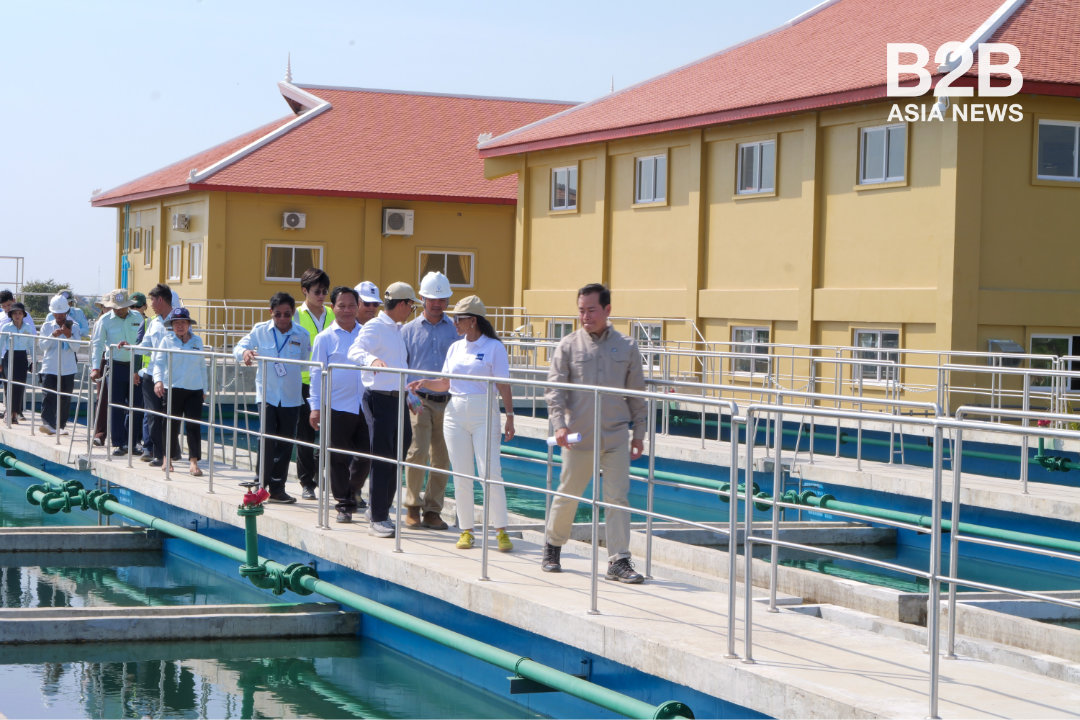
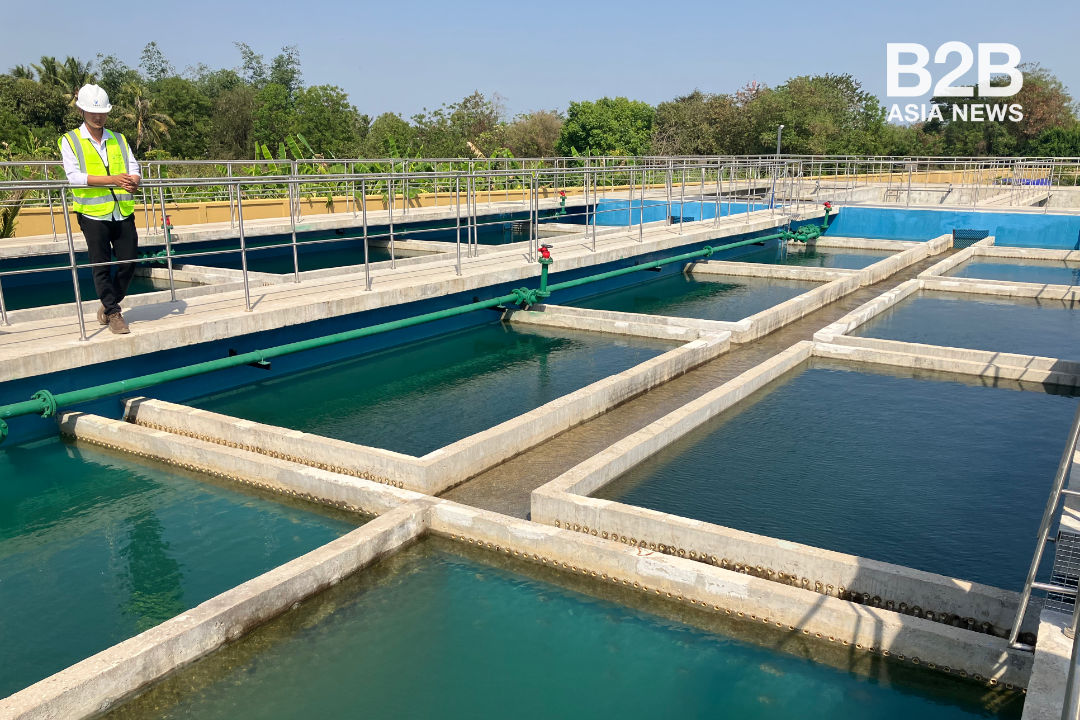
In Battambang province, the delegation visited a new water treatment plant executed under the Provincial Water Supply and Sanitation Project. This USD 104.08 million initiative, co-financed by the ADB and Agence Française de Développement (AFD), provides a treatment capacity of 55,000 cubic metres per day.
The facility is supported by a 94-kilometre distribution network designed to meet the rising demand from both residential consumers and the province's expanding agro-processing sector. Addressing the threat of seasonal droughts, the plant features a specialised intake system on the Sangke River capable of extracting raw water even at critically low levels.
Furthermore, the Battambang Public Water Utility has implemented a subsidised connection policy, allowing low-income households to settle connection fees via instalments. This policy ensures that the modernisation of urban infrastructure does not exclude the most vulnerable demographics while maintaining the financial health of the utility.
“Fundamentally, this project is about getting water into everybody's tap, so a lot of effort was put into the design process to ensure close consultation with the communities. Firstly, to really understand how far we need to go with the distribution side, and second, to understand the needs of the customer,” said Siddiqi.
Human Capital Development: STEM Education Initiatives Align with Cambodia’s Industrial Strategy
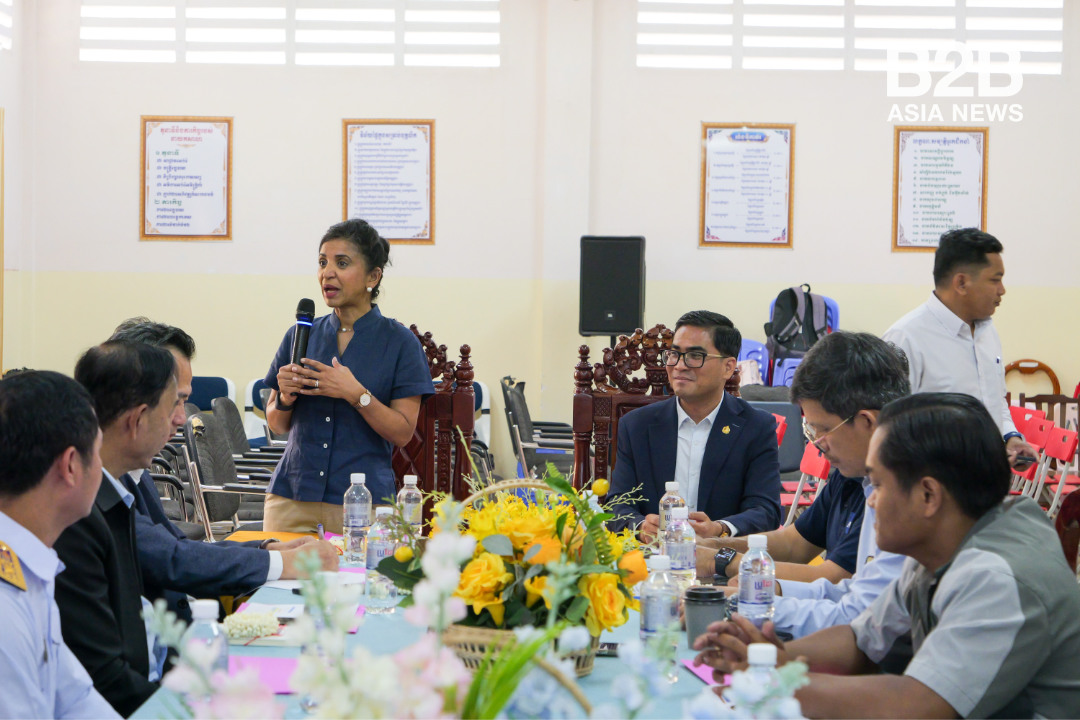
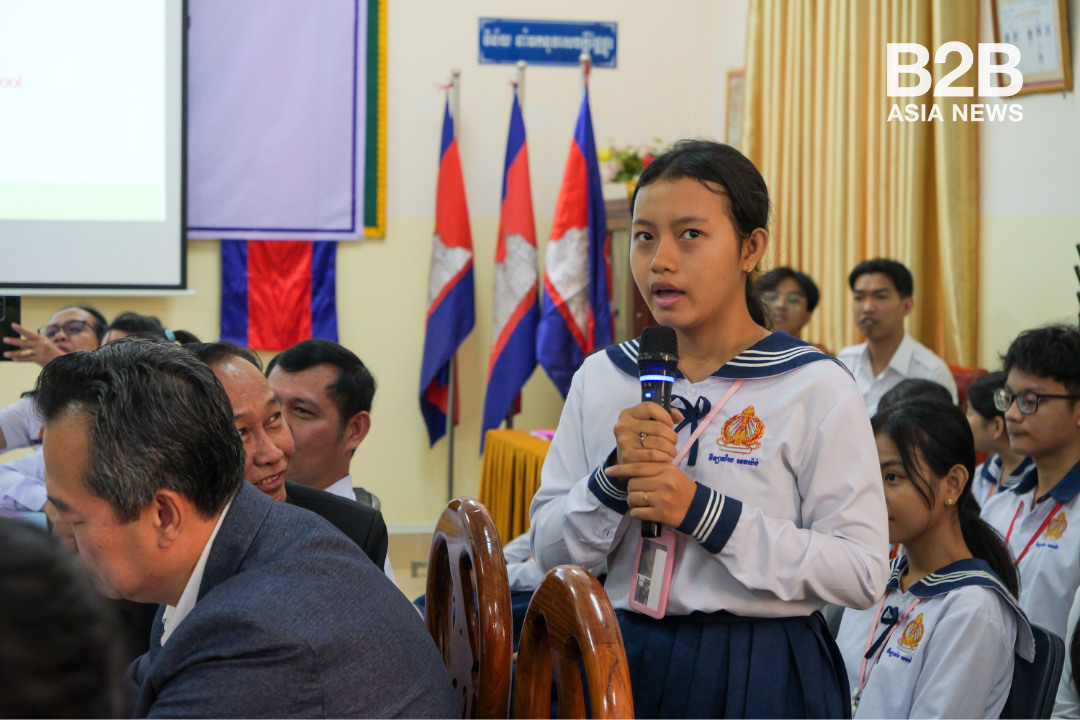
The focus shifted to education at the Net Yang Secondary Resource School in Battambang, one of 50 institutions nationwide being transformed into regional STEM hubs. Supported by the Science and Technology Project in Upper Secondary Education (STEP UP), the school has been outfitted with advanced science laboratories and ICT facilities, each containing 25 modern personal computers.
“ADB financing has been instrumental to improving the science stream, not just at Net Yang High School, but secondary schools across the country; to build multi-purpose classrooms, science labs, computer labs, and other sites for extracurricular activities,” shared H.E. Dy Khamboly, Deputy Director General of the Directorate General of Policy and Planning at the Ministry of Education Youth and Sport (MoEYS), and Deputy Director of STEP-UP project. “We can see improvement in terms of the interest from students to take the science stream, not just at Net Yang, but also in other schools. The enhancement of the science stream has been an important indicator for the education sector.”
These 'centres of excellence' are designed to bridge the gap between secondary education and the requirements of a technology-driven economy. The project emphasises teacher training and the integration of innovative pedagogy to improve learning outcomes in science, technology, engineering, and mathematics.
Notably, the Net Yang facility reports a female enrolment rate of 50.3 per cent, reflecting a successful drive for gender equity in technical fields.
“STEP UP explicitly targets equitable access to upper secondary education for boys and girls by enforcing national minimum service standards that benefit all students,” added Siddiqi. “Teacher upskilling and continuous professional development (CPD) programmes include significant female participation, for example, 40 per cent of trained education specialists are women, supporting greater gender balance in STEM instruction and leadership.”
The broader programme includes the planned establishment of a National Science and Technology Centre by 2028, which will serve as a cornerstone for Cambodia’s transition toward a high-income status by 2050.
Inclusive Finance: Community-Led Insurance Fund Offers Non-Debt Safety Net for Rural Households
The final segment of the press tour highlighted the Farmers Livelihood Improvement Association (FLIA) in Battambang, a farmer-led organisation that has scaled its revolving capital to over USD 20 million through member earnings since its inception.
A critical innovation showcased was the Livelihood Protection Fund, a community-led life insurance scheme launched in January 2025. Unlike traditional microfinance models that rely on credit, this fund prioritises risk protection to prevent debt spirals following the death of a household head – a leading cause of asset liquidation and distress migration in the Tonle Sap region. For a nominal premium of approximately USD 5, members are eligible for a USD 500 payout upon a qualifying event, with no repayment required.
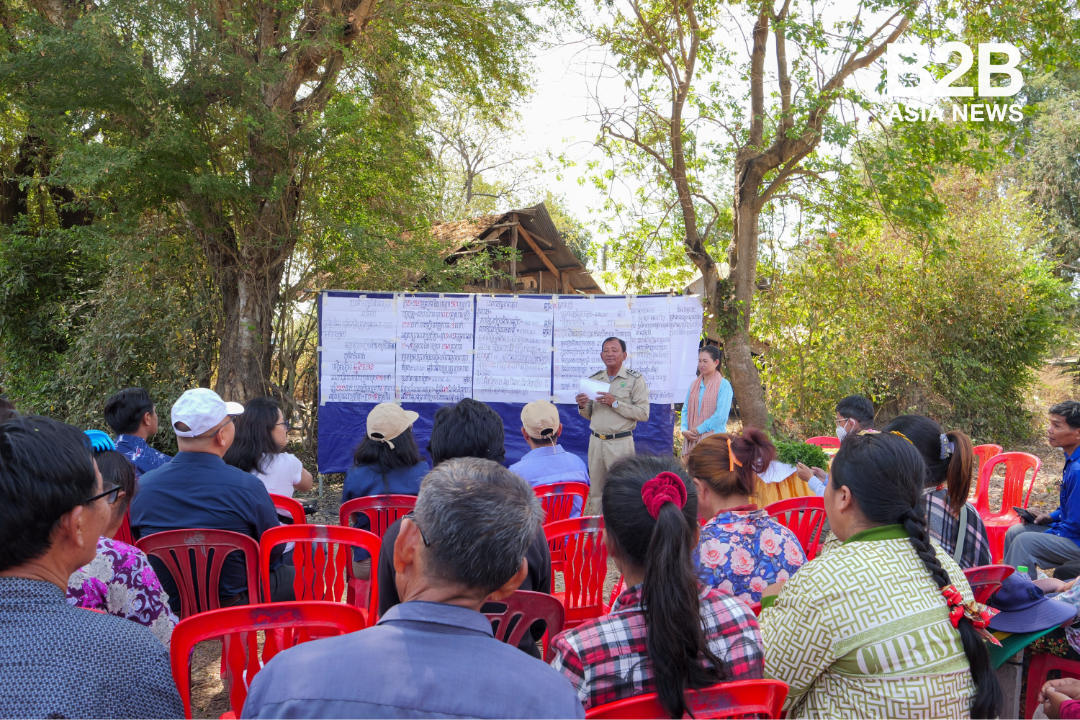
WATCH: Livelihood Improvement Groups Support Smallholder Farmers
H.E. Ny Kimsan, Deputy Head of the NCDD and TSSD Project Director
As of late 2025, the fund had successfully enrolled 24,957 members and compensated 188 families. This model demonstrates a viable, non-debt alternative for building financial resilience amongst rural populations, with FLIA’s broader initiatives contributing to a 39 per cent reduction in poverty rates among its 1,906 Livelihood Improvement Groups.
“The support given to the poorest of the poor is not a complete cycle of livelihood support, but it's complementary to their everyday life,” added H.E. Ny Kimsan, Deputy Head of the National Committee for Sub National Democratic Development (NCDD) and TSSD Project Director, about the financial support available to eligible smallholder farmers under the FLIA's poverty reduction initiative. “We are not aiming to support normal farmers, but smallholder farmers who classify under the IDPoor 1 and IDPoor 2 categories. It is a small amount of money given, but it can still change their lives.”