Cambodia’s energy sector has been gradually moving away from dependence on power imports, while also pursuing a more diversified and green energy mix. Renewables accounted for 63 per cent of Cambodia’s grid connected capacity in 2025, which is expected to rise to 67 per cent in 2026, driven largely by solar scaling.
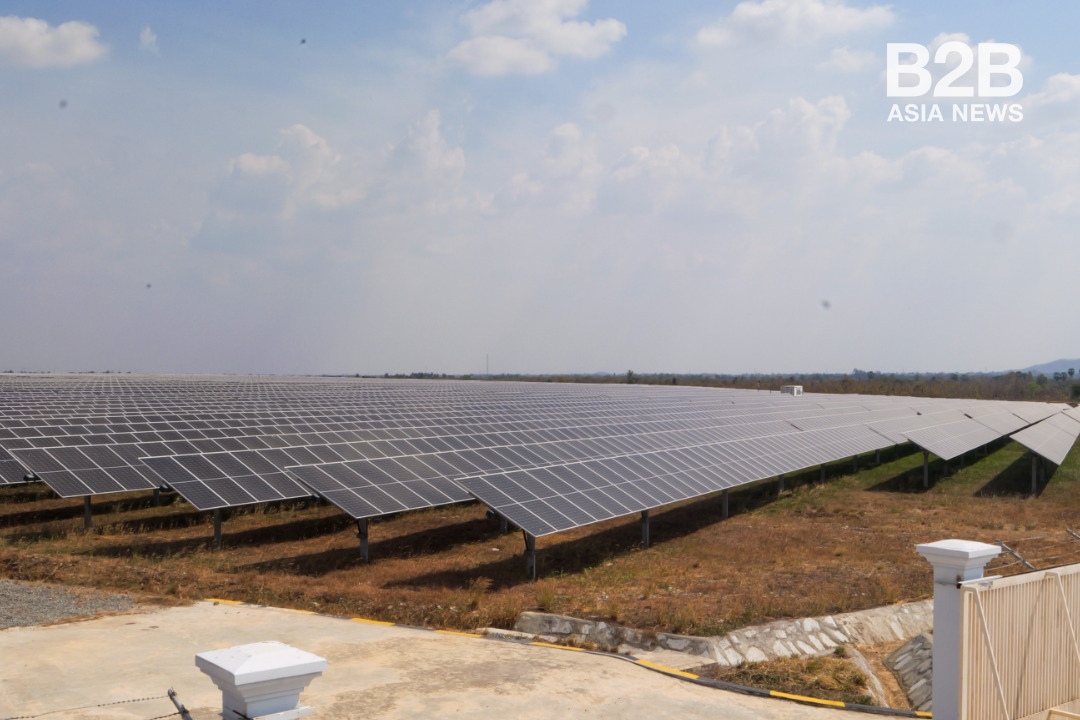
With a target to reach 70 per cent renewable power by 2030, the National Solar Park Project in Kampong Chhnang province is one pioneering renewable energy development contributing to the achievement of the country’s major energy goals.
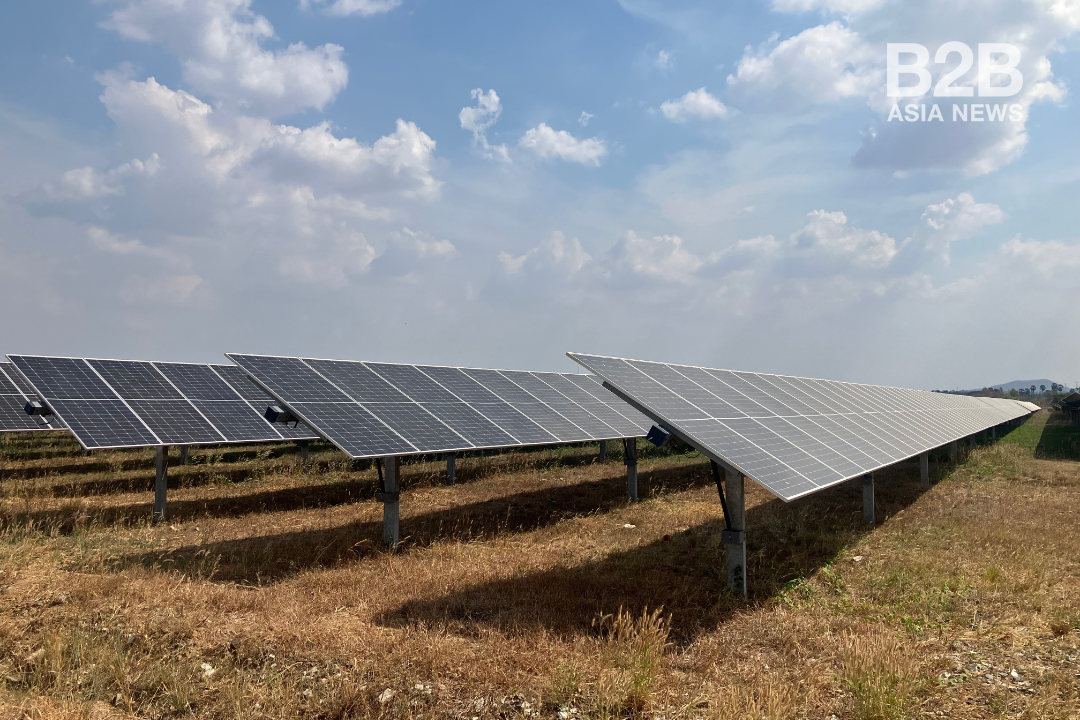
Implemented through a partnership between the Asian Development Bank (ADB) and Electricite du Cambodge (EDC), the National Solar Park Project supports the development of solar photovoltaic (PV) power plants in Cambodia, with the aim to expand low-cost power generation capacity, diversify the country’s energy mix, and increase the share of clean energy.
The project adds 100 megawatts (MW) of clean, domestic generation capacity, displacing power imports and fossil-fuel-based generation. According to the ADB, the solar PV plants built within the solar park can avoid at least 148,650 tonnes of carbon dioxide-equivalent (tCO2e) annually, or approximately 3.864 million tCO2e over a 25-year project lifetime.
“I would say that this is a really pioneering piece of work for Cambodia, particularly in the context of renewables,” Yasmin Siddiqi, ADB Country Director for Cambodia, told B2B Asia News. “Cambodia is really shifting now much more towards renewables, whereas historically, the country may have been generating from other sources, which could have included some fossil fuels. Now we see that solar, hydropower, these are the ones that are really coming forward.”
“With ADB, we have had a long-time cooperation, since we started developing our country after the war, in the early 1990s,” shared H.E. Dr. Praing Chulasa, Managing Director of EDC. “In the past, in a four or five year period we would start one project with ADB, but now we start three or four projects at the same time, showing how the ADB is confident in the EDC and wants to work with us. Not only ADB, now a lot of development partners, like the World Bank, are also working with us.”
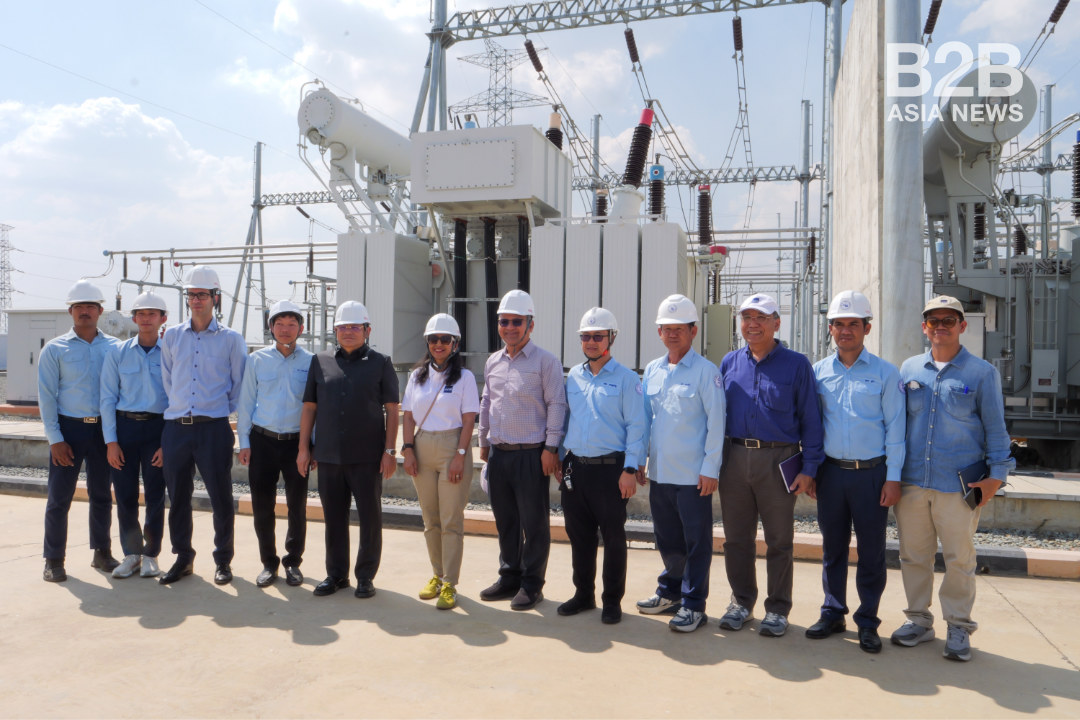
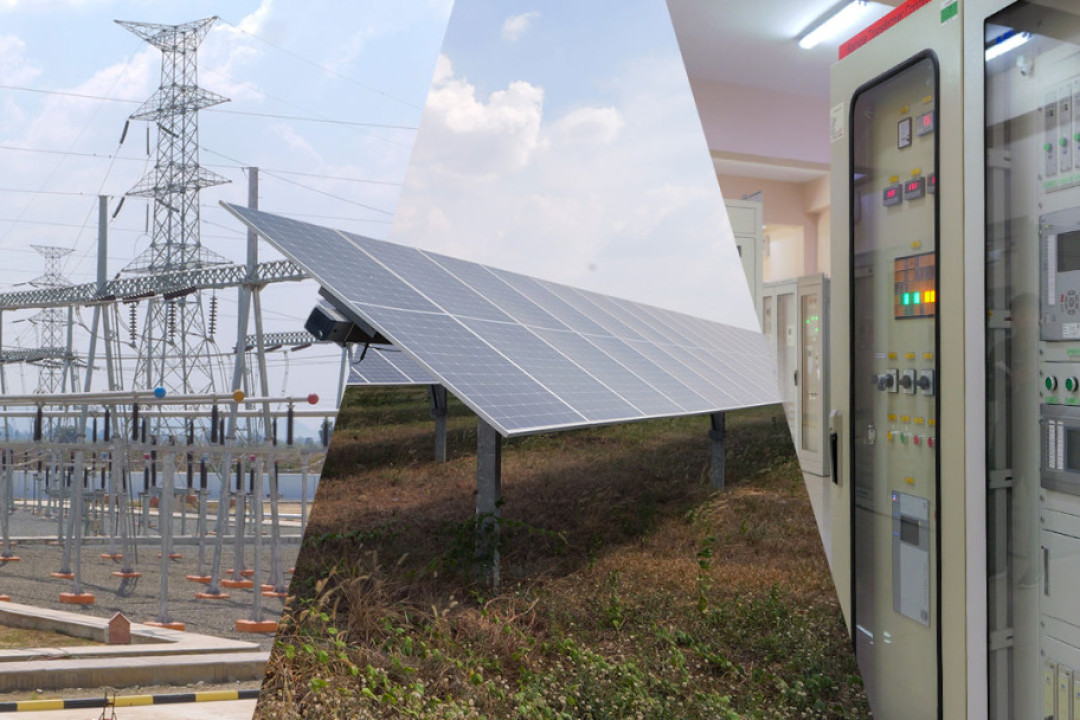
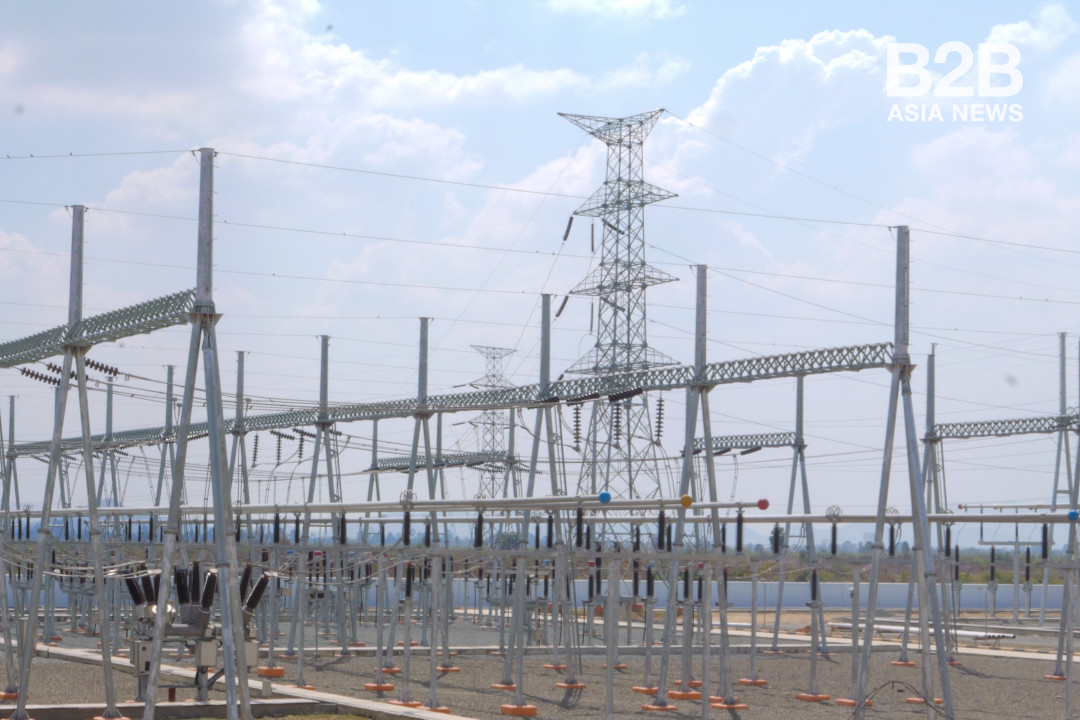
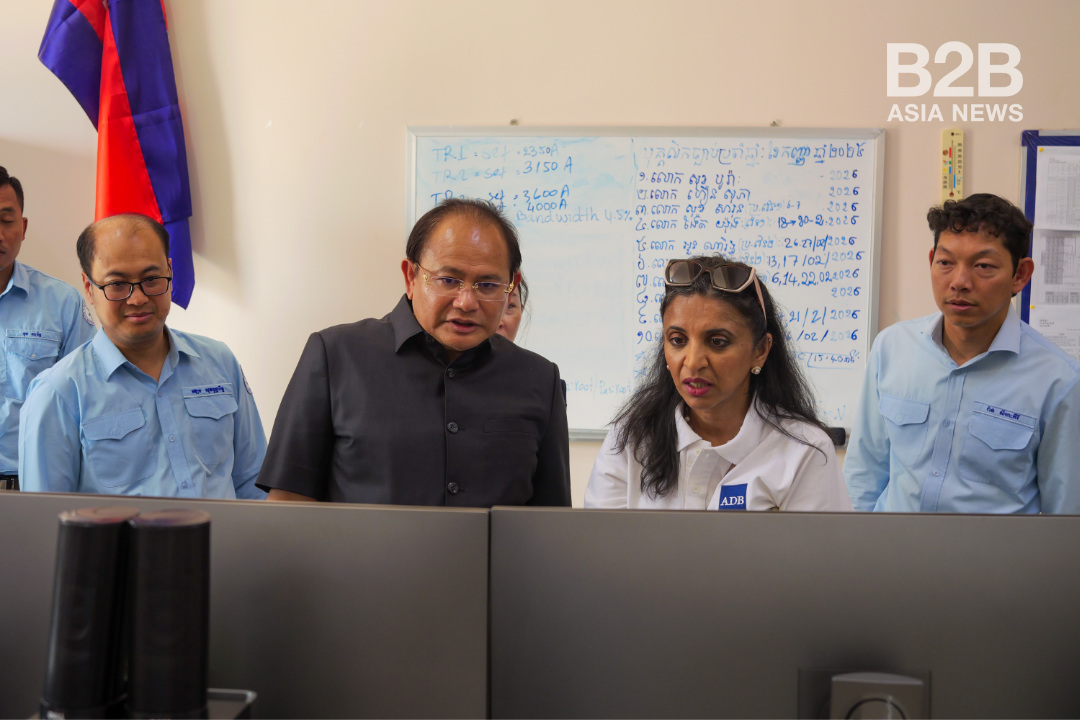
The project has thus far constructed needed infrastructure systems, including a pooling substation, a control system building, a drainage system, an upgraded grid substation, a 40 km double-circuit overhead transmission line totaling 117 towers, and an access road and a bridge of 75 metres to the solar park.
H.E. Dr. Praing Chulasa also confirmed that Phase 2 of the project, which includes the addition of battery storage facilities, is currently in process.
Public-Private-Partnership: A First for ADB in Cambodia
The project involves a public and a private sector investment and is the first ADB project in Cambodia combining sovereign and non-sovereign operations.
“This project was structured as a public-private-partnership (PPP), whereby the risks were distributed among the entities best positioned to handle those risks,” explained Joao Aleluia, Energy Specialist at the ADB. “The public actor, the EDC, the risks they took, because they were better positioned to handle them, concerned land acquisition and connection of the solar facility to the power grid. The private sector institution was tasked with taking the risks related to power generation itself, and also the operation and maintenance of the facility.”
In terms of the financing, a total of USD 26.71 million in public investment was mobilised by the ADB to finance the solar park infrastructure. For the private sector investment, the project adopted a transparent internationally competitive bidding process, which unlocked high competition. Twenty six parties submitted a bid for the 60 MW solar PV plant under Phase 1, which was co-financed by the ADB, with investment totalling USD 41.2 million.
This competitive tender process resulted in one of the lowest tariffs in ASEAN for grid-connected solar PV, at 3.87 cents per kWh, helping stabilise long-term energy costs and strengthen supply security.
Is Cambodia On Track to Achieving Full Energy Independence?
In 2011, Cambodia imported roughly 64 per cent of its electricity. In the decade and a half since, the country has made major strides in reducing this dependency. However, the ADB believes self-sufficiency is not necessarily a condition required for Cambodia to achieve higher energy security.
“I don't think that achieving full energy independence is necessarily a good goal, I think there needs to be a balance,” said Aleluia.
If we go back around 15 years ago, Cambodia imported around two thirds of its power needs. If we go back five or six years in time, the country was only importing around 25–30 per cent, so that dependency has been decreasing. Right now, according to statistics from the Electricity Authority of Cambodia (EAC), that dependency is around 10 per cent. So, as you can see, Cambodia is already making progress on that front.
“But to have interconnections with neighbouring countries is important, because it will enable the country, and also the countries with which Cambodia is connected, to optimise the use of resources,” Aleluia added. “For example, during the dry season, when hydropower becomes less available. Instead of Cambodia making investments domestically to expand backup capacity, they could rely on imports to balance the scarcity of hydropower generation during the dry season.”
He stressed that Cambodia is a strong proponent of the ASEAN Power Grid and has the long-term ambition of becoming a net exporter of green electricity in the region.
Moving ahead, the National Solar Park will continue to expand and add battery storage units to increase reliability and pave the way forward for more advanced renewable energy developments in Cambodia.