
DFDL and EuroCham Convene Cross-Sector Experts to Address Workforce Restructuring Amid Economic Uncertainty and AI Transformation
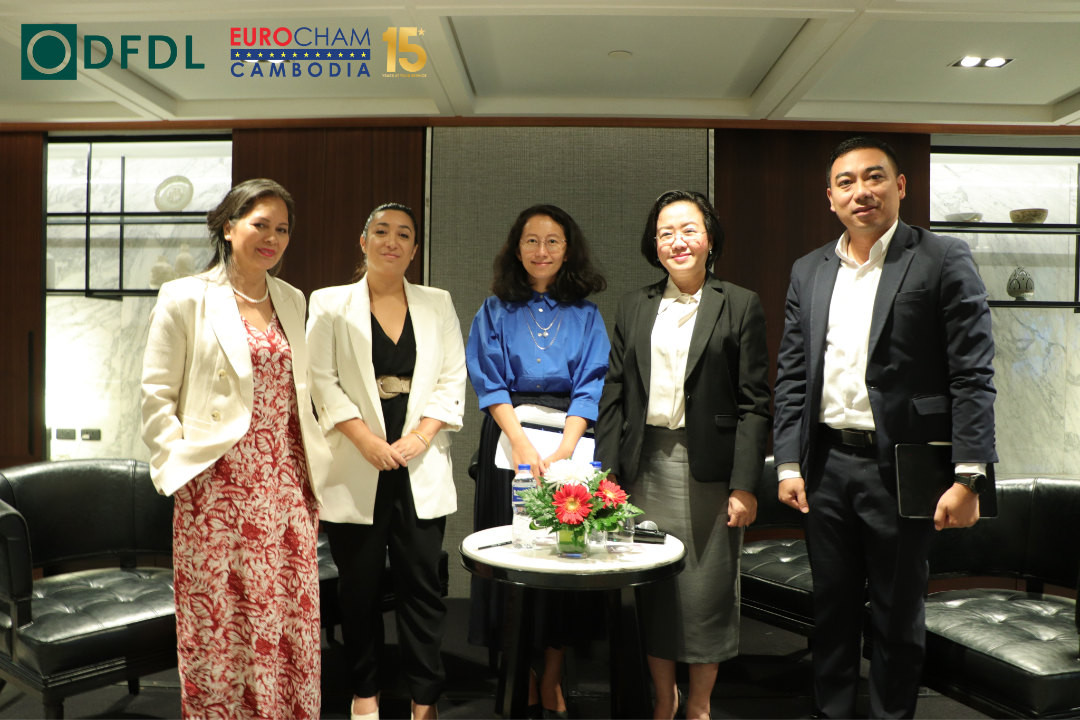
DFDL Cambodia, in partnership with EuroCham, successfully hosted the first Cambodia Labour Event of 2026, “Workforce Restructuring During Economic Uncertainty and AI Transformation", at the Hyatt Regency Phnom Penh on January 15.
The half-day forum brought together government representatives, regulatory and tax experts, HR leaders, and technology specialists to examine how Cambodian businesses can responsibly navigate workforce transformation in a rapidly evolving economic and digital environment.
The event opened with welcoming remarks from Keo Julie, Consultant and Head of the Cambodia-EU Desk at DFDL, who underscored the growing complexity employers face as they balance business sustainability, regulatory compliance, and employee protection. She also emphasised the importance of gender-equity during this transformational period.
This was followed by opening remarks from H.E. Kuoch Somean, Secretary of State at the Ministry of Labour and Vocational Training, who outlined Cambodia’s changing labour landscape, highlighted key labour policy initiatives, and shared regulatory updates relevant to employers in 2026.
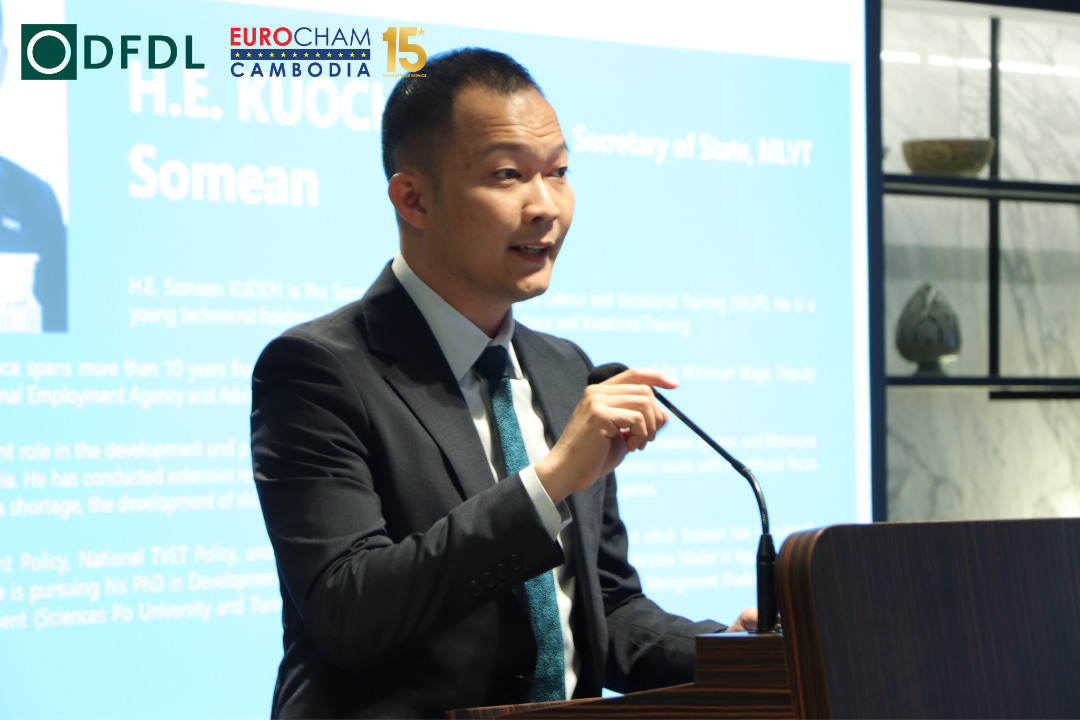
He emphasised the importance of adaptive labour frameworks to support both business resilience and workforce stability in the face of economic uncertainty and accelerating AI adoption. The growing gig economy, emerging robotics, workforce migration, and upskilling were cited as key issues for both employers and government.
“Cambodia is not shifting away from the dual challenge of economic uncertainty and AI transformation. Therefore, we are not just building a skilled workforce; we are building a resilient, adaptable, and protected workforce. We are not just building a digital economy, we are building an inclusive, ethical, and productive society where trade and technology drive sustainable development for all," said H.E. Kuoch Somean.
The technical program began with a compliance-focused presentation by Raksa Chan, Senior Consultant at DFDL, who explored lawful workforce restructuring options, severance considerations, and dispute resolution mechanisms. Her session provided practical guidance for employers seeking to manage restructuring processes while mitigating regulatory risk.
This was complemented by a tax-focused presentation from Diberjohn Balinas, Partner at DFDL, who examined the tax implications of employee termination and clarified employer obligations under Director Tax Instruction 19116, highlighting the need for integrated legal and tax planning in restructuring strategies.
“Workforce restructuring is not just an operational decision, it is a strategic process that must be carefully designed to balance business sustainability, employee protection, and regulatory expectations," said Raksa Chan. "Understanding the available restructuring options and following clear, compliant procedures is essential to reducing risk and maintaining organisational stability, especially in times of economic uncertainty."
Following a robust Q&A session and networking coffee break, the programme continued with a fireside chat on case preparation for labour claims, featuring H.E. Seng Vuoch Hun, President of ASIA Cambodia Law Group and Commercial and Labour Arbitrator at the Arbitration Council, alongside Raksa Chan. The discussion offered real-world, practice-oriented insights into dispute prevention, documentation, and effective engagement with Cambodia’s labour dispute mechanisms.
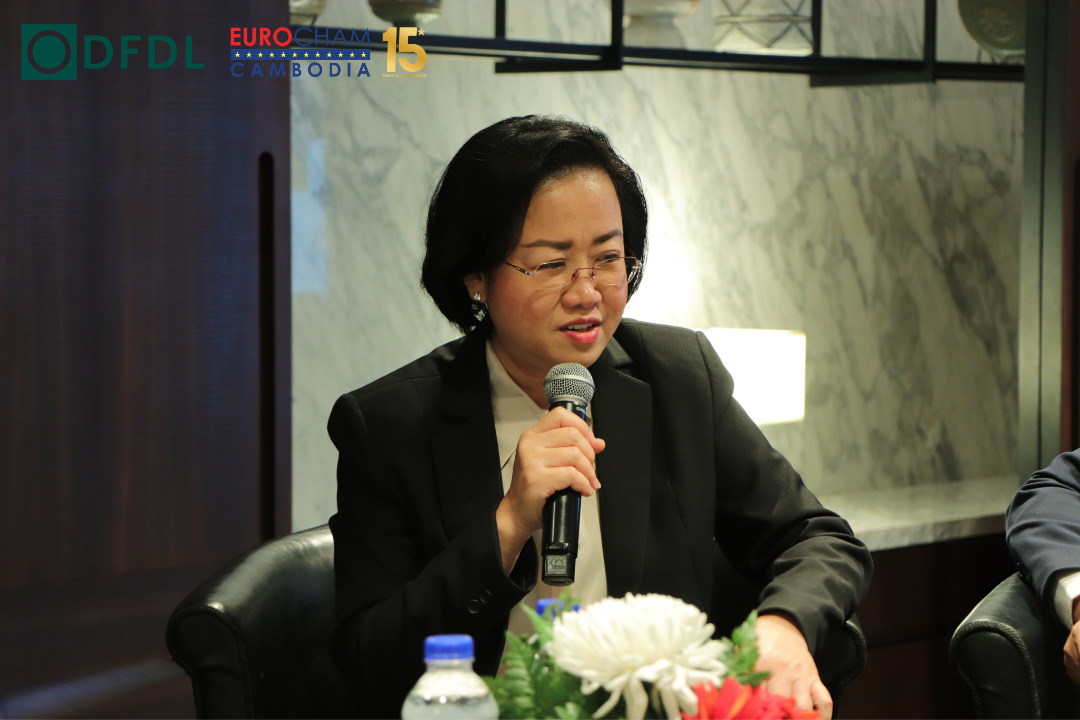
The event concluded with a high-level panel discussion titled “Workforce Restructuring in the Age of AI”, moderated by Khem Vansok, Partner at DFDL. Panelists H.E. Seng Vuoch Hun; Adrienne Ravez-Men, Strategic Advisor in AI, Blockchain and Web3; Chhay Sophorn, CEO of HR CODE; and Tep Sophoan, Executive Director of CAMFEBA, examined the intersection of technology, human capital, and labour governance. The panel addressed how AI is reshaping job functions, the importance of reskilling and responsible adoption, and the need for closer collaboration between legal, HR, and business leadership to build future-ready organisations.
“AI adoption benefits from taking the time to build solid foundations," remarked Adrienne Ravez-Men. “Before considering leveraging AI for upskilling or workforce decisions, it is helpful to reflect on the risks of overreliance on systems and to assess organisational readiness, including clarity on use cases, objectives, available capacity, and alignment with governance and ethical frameworks. Clear internal policies, risk management practices, and appropriate training matter, not only on technical aspects but also on safe and responsible use. Cross-sector dialogues like this one support more thoughtful deployment and help organisations reduce long-term human, legal, and reputational risks.”
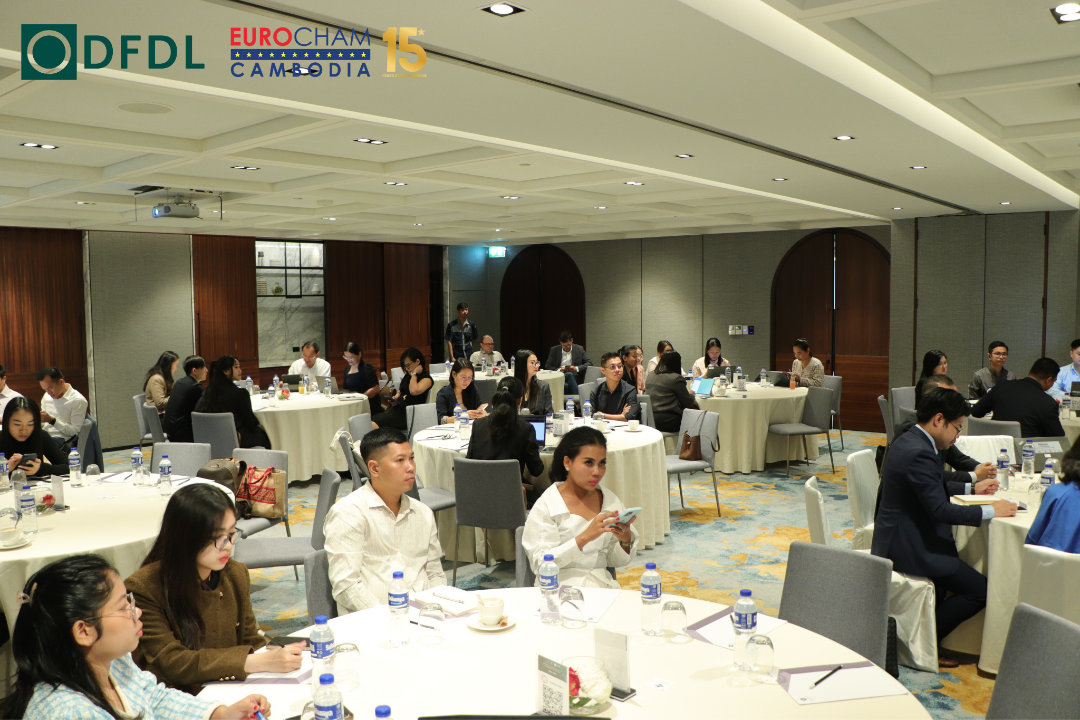
The strong turnout and active participation throughout the morning reflected the urgency of the topic for employers across sectors. Discussions consistently highlighted that while economic volatility and AI transformation present significant challenges, they also offer opportunities to modernise workforce strategies, strengthen compliance, and invest in more resilient organisational models.
Through this event, DFDL and EuroCham reaffirmed their commitment to supporting the business community with timely, practical insights and platforms for dialogue between the private sector, government, and technical experts, as Cambodia navigates the next phase of labour and digital transformation.
This press release was supplied.