Temenos Connect Indochina 2026: Modernising the Future of Banking in Cambodia
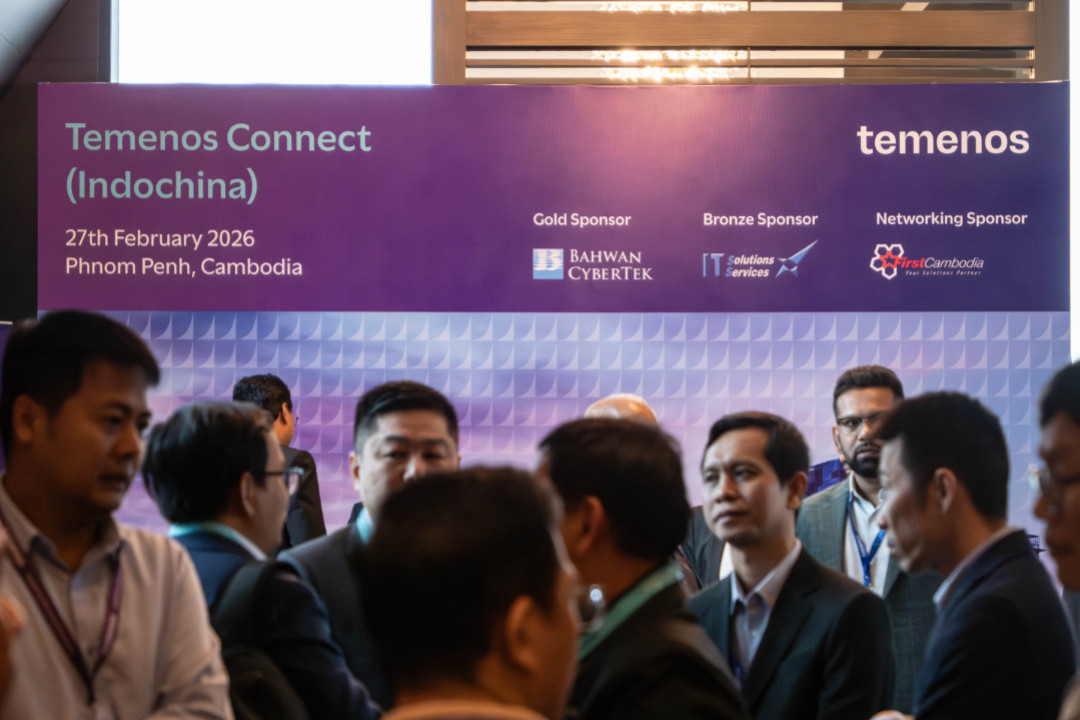
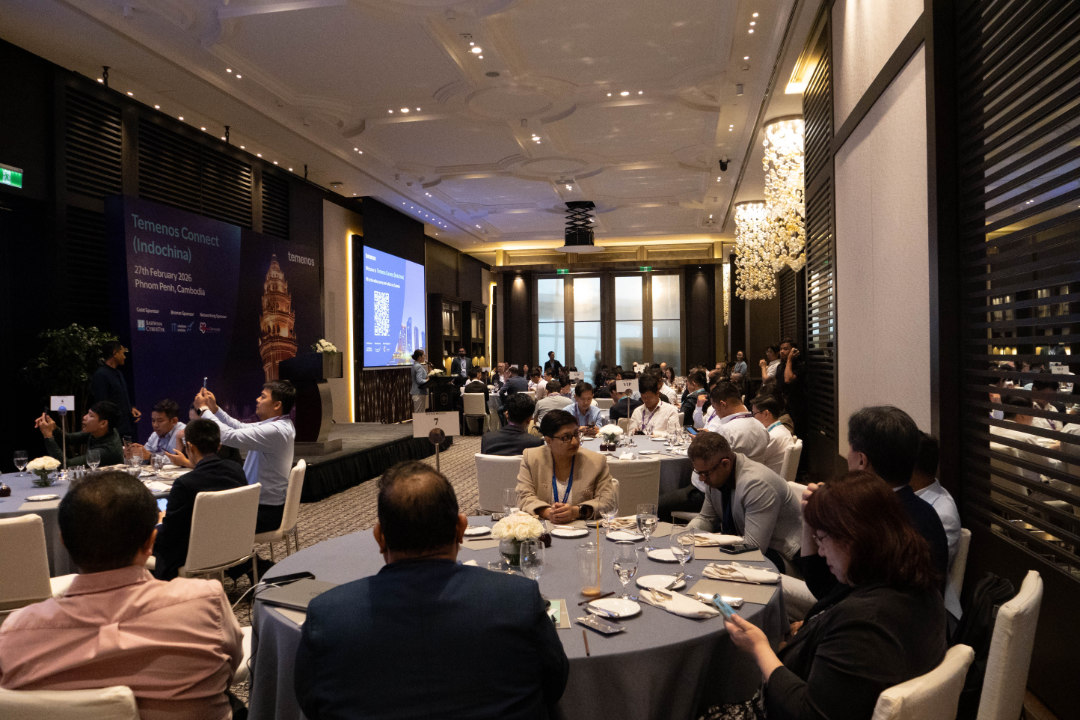
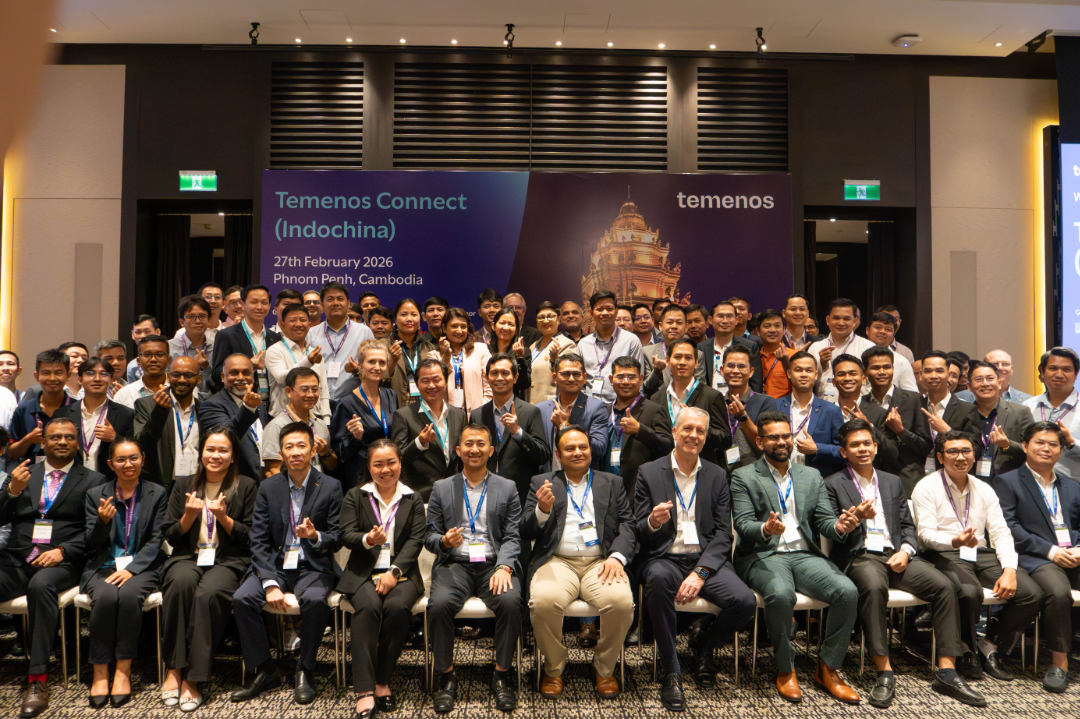
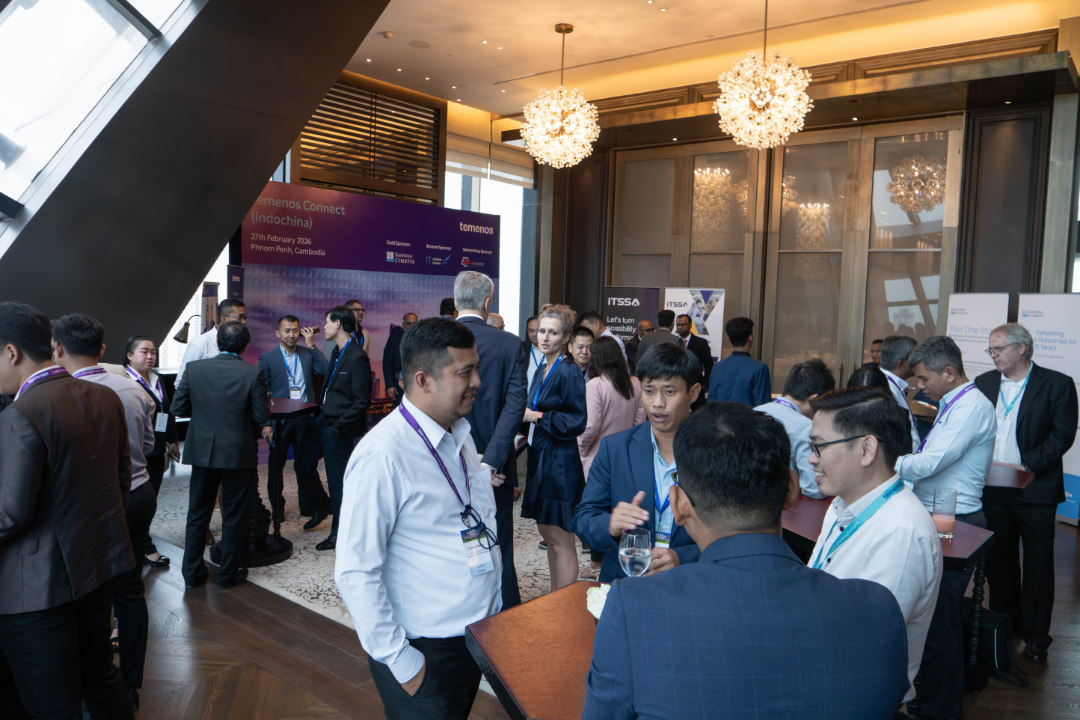
The banking landscape is shifting from monolithic structures to a composable, cloud-native future. At the annually held Temenos Connect event in Phnom Penh, industry experts, partners, and local banking clients gathered at the Rosewood Hotel on February 27, 2026, to discuss the next "orbit" of financial technology, driven by artificial intelligence (AI) and composable architecture.
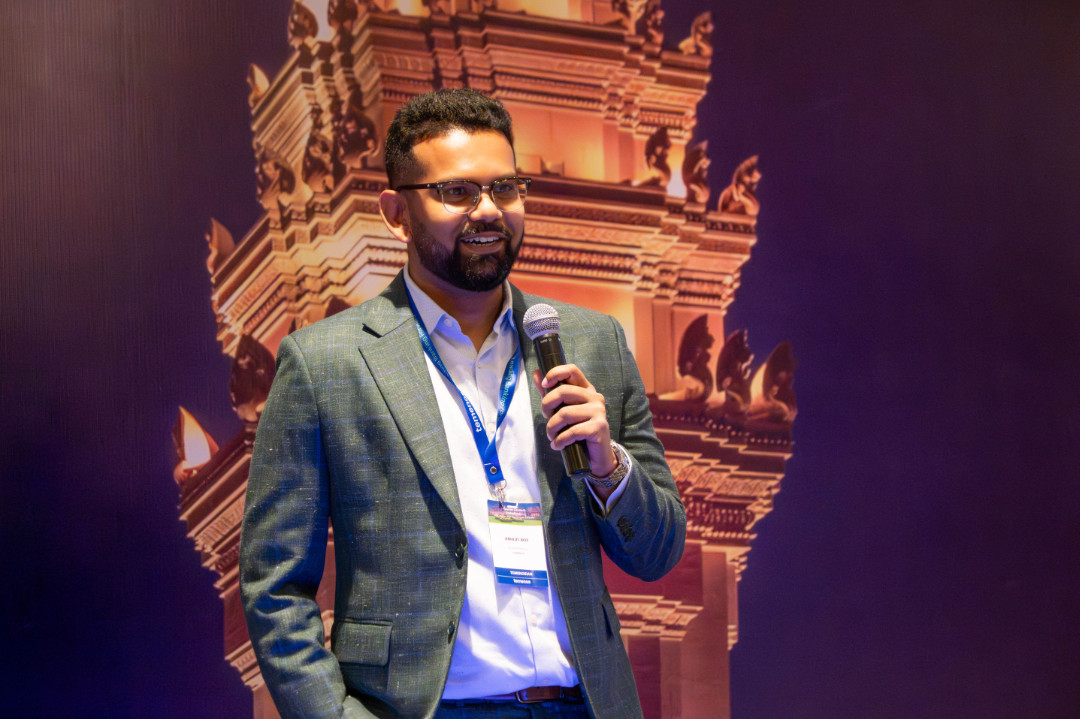
Opening the event, Abhijit Roy, Temenos Country Director, emphasised Temenos' deep-rooted commitment to the Cambodian market. With many active clients in the country, Temenos has established itself as a market leader by fostering long-term partnerships. The event served as a platform for bankers to brainstorm how to turn market changes into competitive advantages using the Temenos ecosystem.
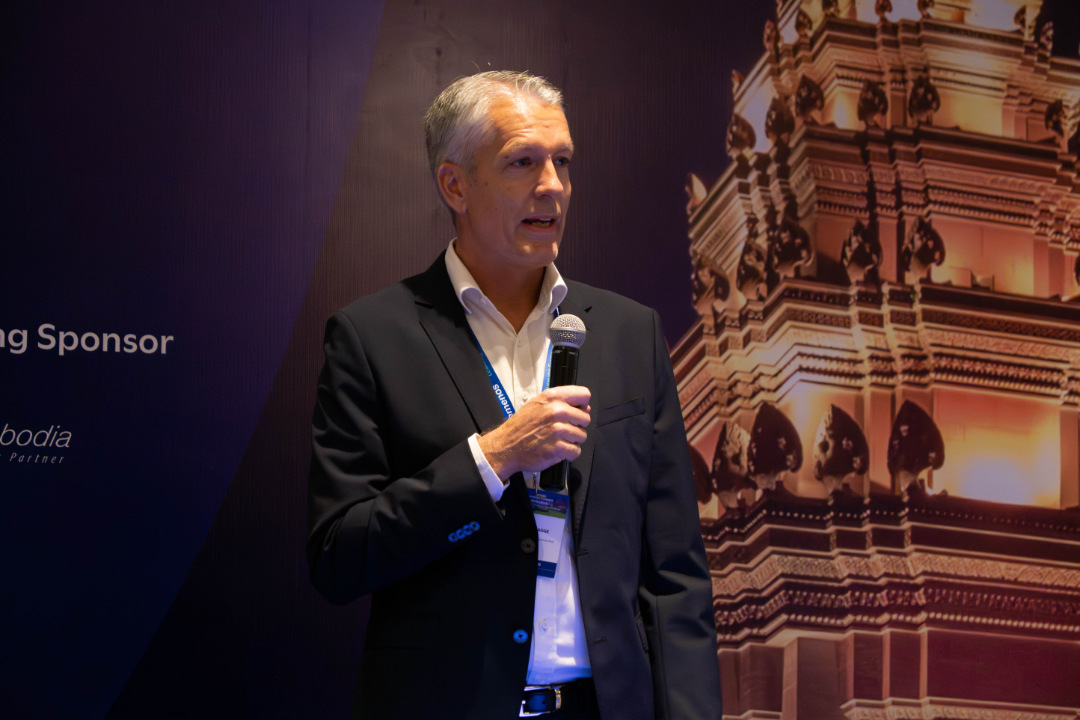
Peter Bagge, Vice President of New Business Asia at Temenos, highlighted the company’s global growth and strong performance in Asia Pacific (APAC), which contributed 21 per cent of global revenue in 2025, and reiterated its commitment to supporting local banks.
Bagge further stressed that Temenos is the trusted partner for modern banking, with cloud-native solutions spanning core, digital, payments, wealth, and financial crime together on one composable platform.
Entering the "Agentic" AI Era
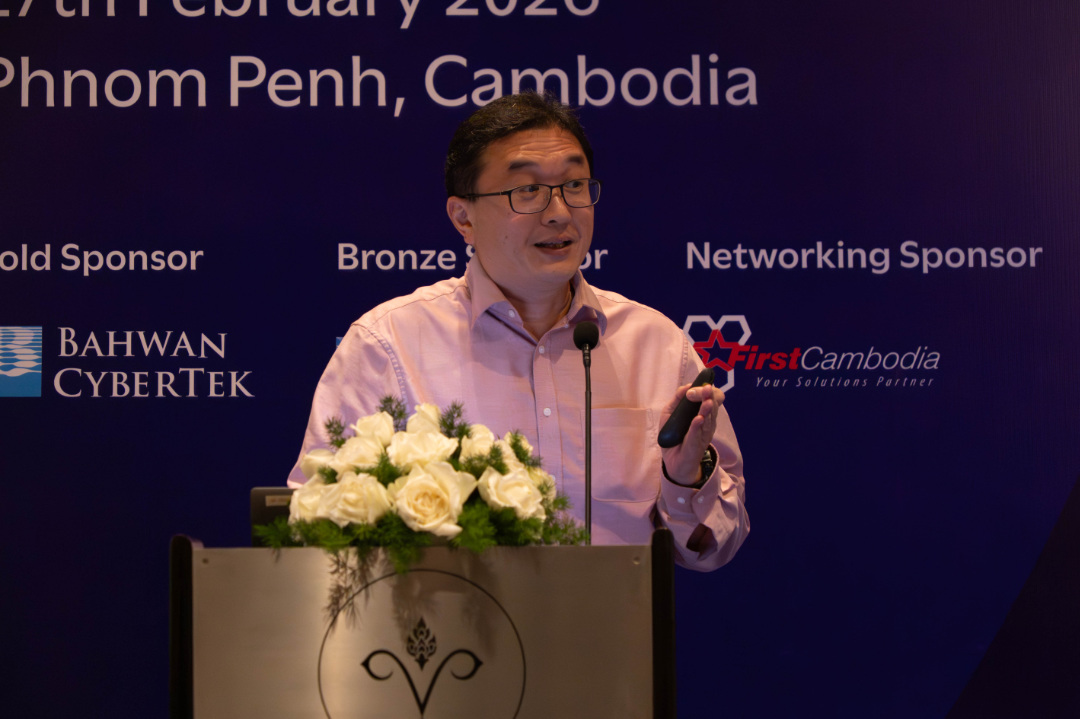
Foong Hin Wong, Business Solution Manager, remarked on the major shift in the global banking industry towards an AI-driven era.
“We are entering another new era, which is the AI inflection point and the beginning of a new agentic era. This is a seismic shift from every evolution that happened before, and the opportunities are immense, with an exponential drop in cost,” said Wong.
He discussed structural advantage with AI, saying Temenos is committed to embedding intelligence across its platform, applying AI to how systems are installed, run, operated, and upgraded.
“Lastly, regarding replacing legacy core systems, a composable platform enables progressive modernisation, reducing risk and giving banks control over pace of change and investment,” he added.
Elaborating more on Temenos’ embedded Gen AI developments, Wong shared that the company’s offerings include natural language communication with banking software, and AI Agents for financial crime mitigation (FCM), which significantly reduce false positives in transaction screening.
Long-Term Partnerships Built on Trusted Solutions
Following the presentations, a few Temenos clients and partners spoke with B2B Asia News to share their experiences with integrating Temenos’ core banking solutions.
“Since 2018, we have had a very good experience with Temenos’ core banking system… We recently just upgraded to the latest version, since we plan to adopt more products into the core banking system,” shared Sok Kosal, Chief Information Officer at AMK.
“While the initial migration from our legacy platform to Temenos Core took some adjustment, the recent upgrade has been very smooth. Our staff are already familiar with Temenos, so moving to the latest software – even across nine versions – we were able to quickly adapt to the new user experience,” he added.
Ros Sokha, Advisor to the Ministry of Post and Telecommunications (MPTC) and Director of Operations & Digital Customer Experience, also shared that he had been involved in a Temenos core banking project, transforming a microfinance into a commercial bank.
“It was an exciting journey, because it was a mix of corporate employees with various backgrounds, and also we had a good project manager to run it,” he said. “The training was quite good, and I was able to meet the [Temenos] trainer face-to-face and discuss our roadmap for the future. I was excited about the digital transformation, and also was introduced to AI and cloud computing.”
Reflecting on the new AI-centred offerings shared by Temenos, Eat Chetrasorivong, Chief Information Officer at Woori Bank, said he was most interested in the AI fraud detection technology described during the presentations.
“I think it’s great that we can use AI technology to monitor fraud because it happens in real-time, and sometimes, if we have just people monitoring, then they might miss something because humans may not be able to detect it as effectively compared to a machine,” he said.
“More or less every bank and financial institution has to move towards AI,” added Sok Kosal. “With Temenos, as their strategy also places AI as a key priority, I can foresee that their solutions will be very useful for the banking and finance industry, especially in a growing market like Cambodia.”