
Cambodia's trade demand is growing rapidly, driven by the rise in exports of processed products, a large influx of foreign direct investment (FDI), and an increase in regional trade agreements. In 2025, Cambodia's total international trade volume grew up to USD 65.25 billion, representing an 18 per cent increase compared to the previous year. This growing trade demand creates an additional financial pressure on importers or logistics companies who must settle customs taxes first before goods can be released.
Wing Bank recently launched a campaign to raise awareness of how its trade finance and customs duty payment solutions can help Cambodian businesses manage cross-border trade more efficiently. Under this campaign, B2B Asia News is producing a series of video interviews with customs and trade finance experts from Wing Bank and other leading institutions.
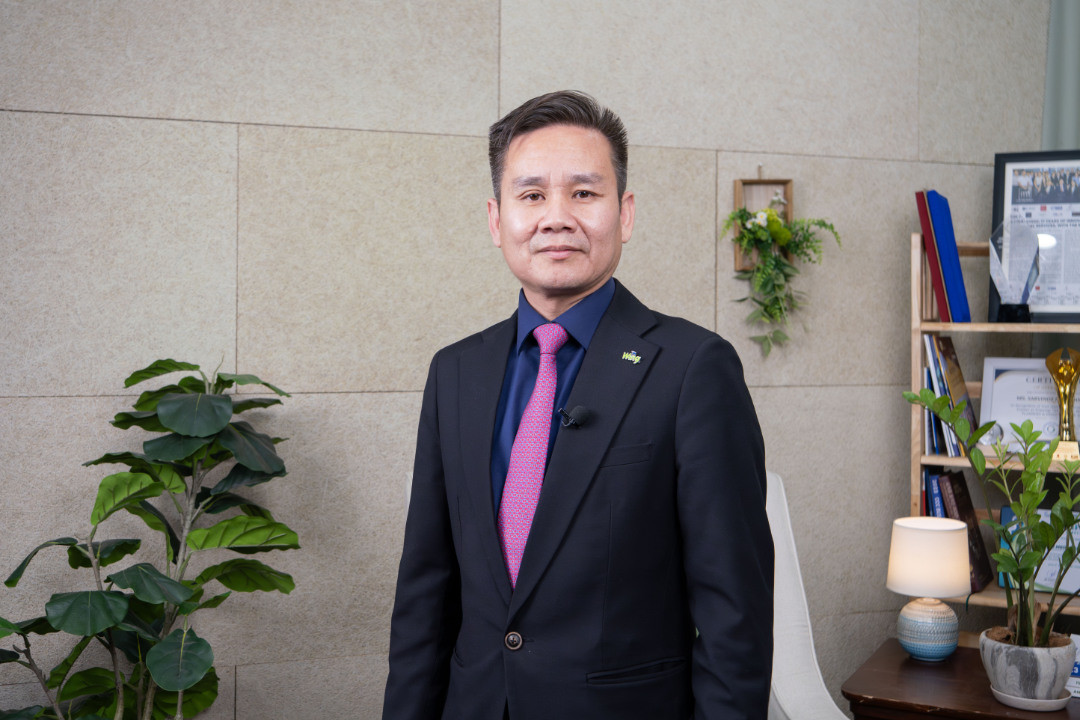
In Episode 1 of this video series, B2B Asia News sat down with Sok Leng, Chief Payroll & Corporate Banking Officer at Wing Bank, to discuss how the bank is helping businesses protect their working capital.
B2B Asia News: Could you tell us about the scope of the cross-border trade credit services Wing Bank bank offers right now?
Sok Leng: “We have a new initiative that provides solutions to shipping companies and businesses involved in import and export activities. We offer a loan service to pay taxes on their behalf for up to 7 days, free of interest, to both import-export businesses and shipping companies. We are collaborating with the General Department of Customs and Excise (GDCE) of Cambodia, working together under their policy. With the support of Wing Bank's Chairman, USD 200 million has been committed to support direct tax payments.”
B2B Asia News: If a business imports goods in large quantities but does not have liquidity to pay taxes, what impact does it face?
Sok Leng: “Importing large quantities means this activity is crucial to their goods distribution side. Tax settlement affects that directly, so they need to use their working capital, which they may not have readily available, or borrow from a bank to purchase those goods to store at the port. Thus, each day that passes accrues interest! Seeing such challenges, Wing Bank established a strategy in collaboration with the GDCE to provide tax settlement services so that goods can be released quickly.”
B2B Asia News: What are the benefits that the logistics sector will receive from Wing Bank's services?
Sok Leng: “Logistics companies are responsible for clearing goods, meaning they pay customs fees on behalf of importers bringing in items for sale or other uses. So, they need their own capital to pay customs taxes for the importers, which can sometimes be huge amounts, even up to millions of dollars. The benefit for logistics companies here is receiving 7 days of interest-free credit from the bank to pay customs. Once customs receives the cash figures immediately, they can release the goods to the importer right away, allowing the importer to resell them faster. After selling the goods, the importer gets the money to pay back the logistics company.”
B2B Asia News: What recommendations do you have for logistics and transportation professionals considering cross-border trade credit services at Wing Bank?
Sok Leng: “I would like to encourage all logistics companies to use Wing Bank's services to pay customs taxes, as we have a special promotion valid through to December 31, 2026, to help keep our economy running smoothly. This is also an opportunity for all logistics companies to apply for credit with the bank, and we will evaluate whether to extend this campaign to further support Cambodia's economy after assessing whether the USD 200 million limit meets market demand. If not, we may still increase it next year.”